Give your kalanchoe a spoonful of nutrient solution, and it will quickly grow into a full pot with nonstop blooms
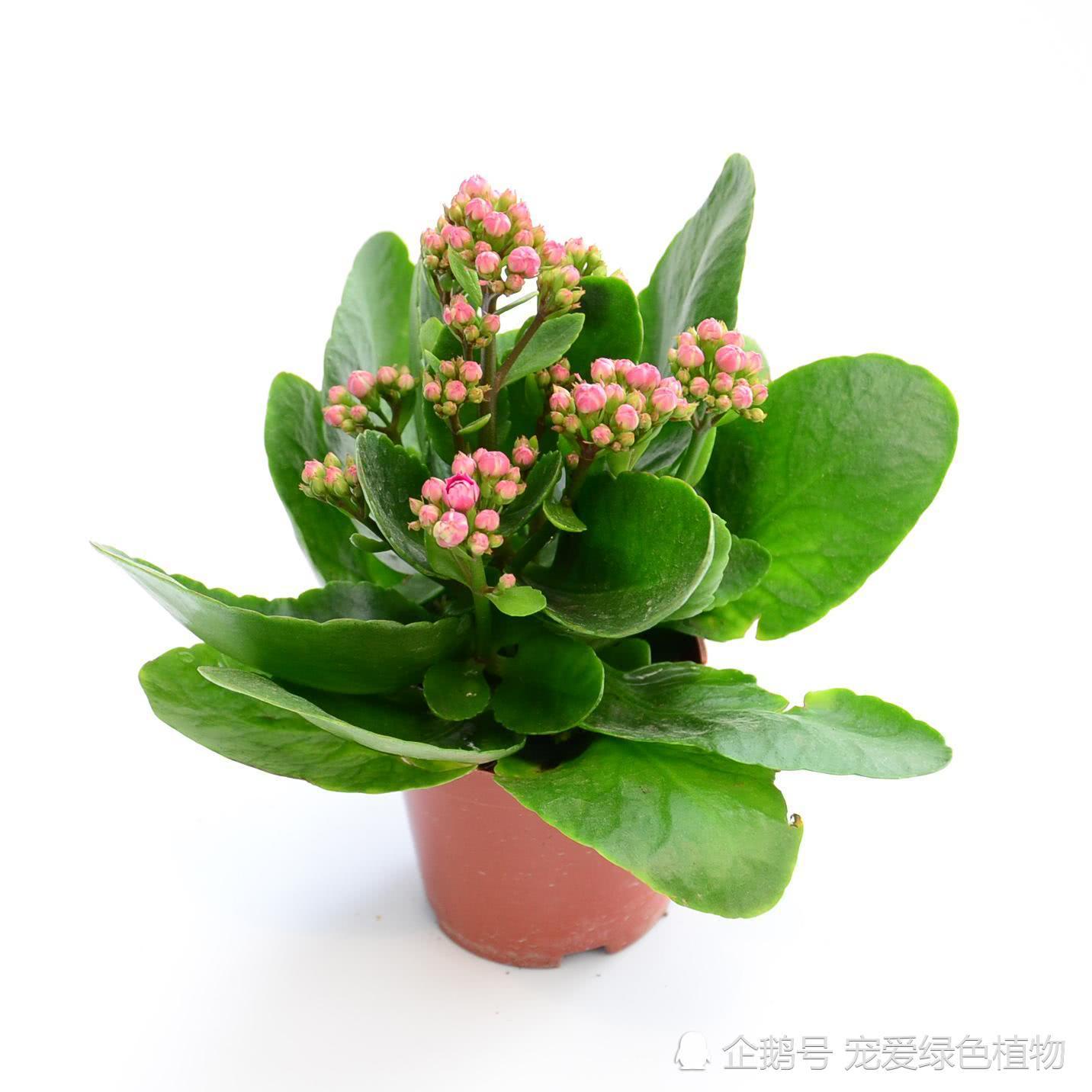
Kalanchoe, also known as Christmas kalanchoe, is an evergreen perennial herbaceous succulent plant. It prefers a warm, slightly humid, and sunny environment, is not cold-tolerant, and its optimum growing temperature is 15-25 degrees. In summer, when high temperatures exceed 30 degrees, its growth is inhibited. In winter, indoor temperatures need to be 12-15 degrees. Below 5 degrees, the leaves turn red and the flowering period is delayed. Kalanchoe's natural flowering period usually begins in late December and can last until early May of the following year, which is why it is named kalanchoe.
Kalanchoe is a short-day plant. It is beautiful and easy to grow, with brightly colored flowers, and each inflorescence bears ten-some to several dozen small flowers. It is a flower with high ornamental value, so it is much loved by people. However, during care, problems such as yellow leaves and failure to bloom often occur. Below, the editor recommends a method for everyone: use the most powerful flower-growing nutrient solution and give kalanchoe a spoonful of it. No yellow leaves, fast full-pot growth, and nonstop blooms!
That is to give kalanchoe a spoonful of "vinegar." I do not know whether any flower lovers have used this method. I think the effect is pretty good. We often say, "With vinegar in hand, all problems are solved." This kind of vinegar is actually the common vinegar in our kitchens. (Be sure to choose good vinegar.) Vinegar contains relatively high nutritional components, such as glucose, acetic acid, lactic acid, and so on. After diluting it with clean water and pouring it into the kalanchoe pot, it can improve the soil's acidity and alkalinity, increase chlorophyll content, and also enhance kalanchoe's disease resistance. At the same time, it can also promote flowering!
Another method is the simplest. If kalanchoe develops yellow leaves, use this trick. Dilute vinegar with clean water, then use it to wipe or spray kalanchoe leaves. This can solve the problem of yellow leaves on kalanchoe. Spray or wipe about once a week. The ratio of vinegar to clean water is 1:3. After 4-5 consecutive wipes or sprays, you can see the kalanchoe leaves gradually turn from yellow to green!
The method is very simple. If your kalanchoe has few flowers, yellow leaves, and other problems, you might as well give this method a try!