Anthracnose symptoms are obvious and require timely identification and science-based control
Anthracnose is a common plant disease caused by fungi of the genus Colletotrichum. It widely affects fruit trees, vegetables, flowers and field crops, and occurs with particular severity in hot, humid seasons. Being familiar with its symptoms helps with early detection and taking appropriate measures.
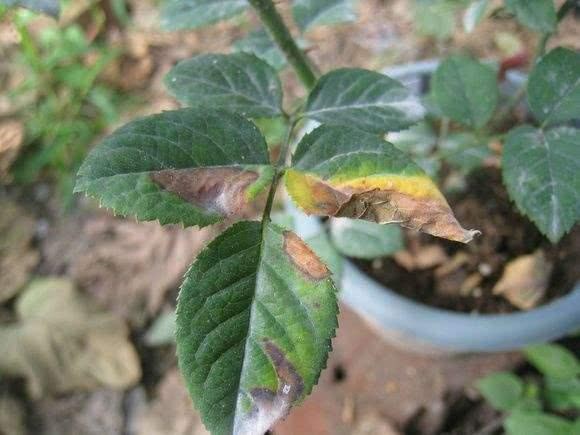
When leaves are infected, small chlorotic spots usually appear first, later expanding into round or irregular brown lesions with dark edges and lighter centers. Small black dots are often scattered on the lesions, and pink sticky matter can be seen when humidity is high. Damage to fruit is most obvious near maturity: watery spots first appear on the fruit surface, then sunken brown areas form and gradually enlarge, eventually causing fruit rot and fruit drop. During storage and transport, contact between diseased and healthy fruit continues to spread the infection.
On branches and stems, the disease often forms spindle-shaped or irregular sunken brown lesions; in severe cases the branches above the affected area wither, and affected seedlings tend to show constriction at the stem base and lodging. The pathogen is mainly spread by splashing rain, airflow and insects, and enters through wounds or natural openings. The disease is often more severe when plants are weak and the field is densely closed.
Control should focus on prevention, combined with choosing disease-resistant varieties, reasonable planting density, timely removal of diseased leaves and fruit and pruning of diseased branches, improving ventilation and light penetration and paying attention to draining moisture from the field. In the early stages of the disease, appropriate fungicides can be sprayed, with attention to rotating the chemicals used. Strengthening inspections before and after the rainy season and focusing on protecting new shoots and young fruit can significantly reduce the harm of anthracnose.
Related reading