When Chinese roses show these symptoms, it means they are already potassium-deficient
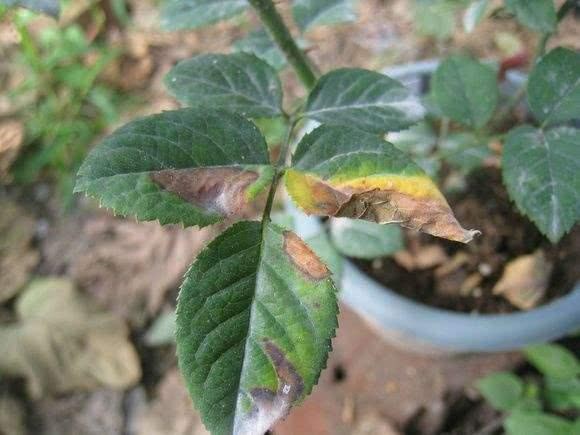
We say that when growing Chinese roses, you must pay attention to supplementing nutrients, and the nutrients must be balanced and rich. For example, the ratio of nitrogen, phosphorus and potassium must be balanced, otherwise the Chinese rose will develop some pathological symptoms due to the lack of a certain element. For example, what conditions will appear when Chinese roses are potassium-deficient?
The phenomenon of potassium deficiency in Chinese roses
First, the edges of the old leaves and lower leaves begin to turn yellow. If potassium fertilizer is not supplemented in time, the yellowed leaves will spread toward the middle, seriously endangering the root system of the Chinese rose. If it becomes more serious, leaf curling will appear, and the entire leaf will look deformed. In addition, the new shoots that sprout are also relatively short, and root growth is relatively poor.
Causes of potassium deficiency in Chinese roses
Sandy soil is more prone to this symptom, because the organic matter content is relatively low, and coupled with rain washing, potassium deficiency is even more likely to occur. In addition, during fertilization, using too much ammoniacal nitrogen can also affect the normal absorption of the root system, leading to potassium deficiency in Chinese roses.
For daily nutrient maintenance, it is best to use ecologically safe organic nutrient solution, rich and balanced in nitrogen, phosphorus and potassium, a liquid fertilizer made from pure plant fermentation. The root system absorbs it relatively quickly, promoting root growth in Chinese roses, regulating the plant's internal environment, making flowering vigorous and the flowering period longer. Generally, just drip a few drops in when watering.
Prevention and control methods
1. For Chinese roses with mild potassium deficiency, spray 0.5% potassium sulfate several times during the growing period to correct the potassium deficiency.
2. For plants showing severe potassium deficiency, apply potassium sulfate to the roots of each plant in winter or early spring.