Cycad Pictures: A Guide to the Ancient Foliage Plant Sago Palm
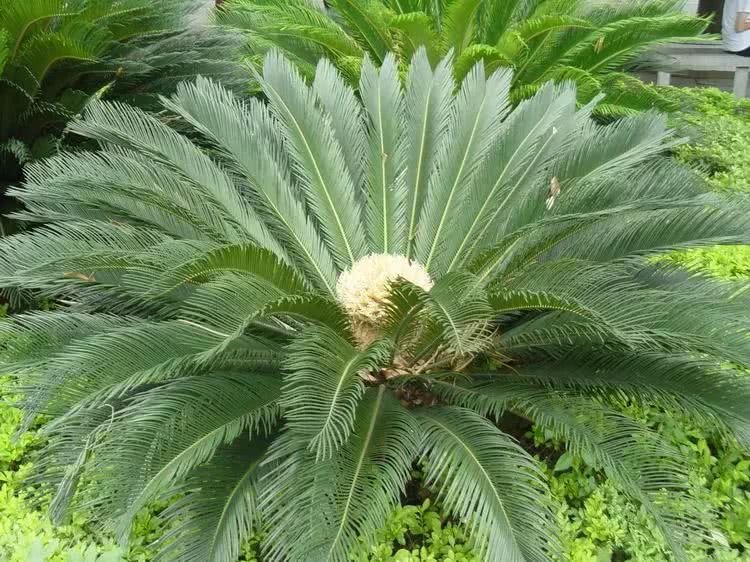
Cycad pictures mainly show the form of the sago palm (Cycas revoluta). The sago palm, whose scientific name is Cycas revoluta, is an ancient gymnosperm often planted in courtyards, parks and flowerbeds, and it is also a very popular potted foliage plant. As seen in the pictures, its most obvious features are the pinnate leaves clustered at the top and the thick, upright trunk.
In cycad pictures you can clearly see that its leaves grow densely at the top of the stem, and each leaf is made up of many slender, linear leaflets arranged neatly; the texture is hard and glossy, and the whole thing looks like an open green umbrella. The surface of the trunk bears the marks left by old leaves after they fall off, rough and hard, which is one of the reasons it is called the cycad. The sago palm grows slowly and lives a long time, and the trunks of old plants often reach a noticeable height, giving them considerable ornamental appeal.
Besides the common sago palm, other frequently seen cycads include Cycas rumphii, Cycas siamensis and Cycas panzhihuaensis. Different species differ slightly in leaf width, trunk thickness and overall form, and a careful look when comparing pictures will reveal the differences.
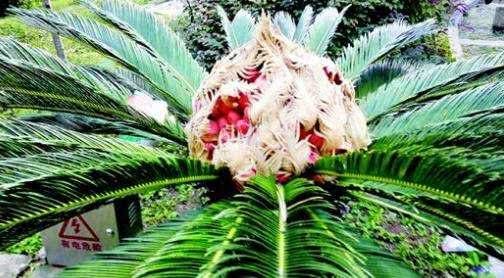
Many people look at pictures because they want to learn to identify and care for the plant. The sago palm likes a sunny, warm and dry environment, and should not be watered too much; if the potting soil stays wet for a long time, root rot is easy to develop, and yellowing leaves are mostly related to water, light or soil conditions. As for the sago palm flowering, it can bloom when the climate is suitable and care is proper, but it flowers only rarely and infrequently, which is why in folk sayings "the cycad blooms" is used to describe something rarely seen.
Related Reading