When Does the Camellia Bloom? The Peak Blooming Period Is Mostly Concentrated in Winter and Spring
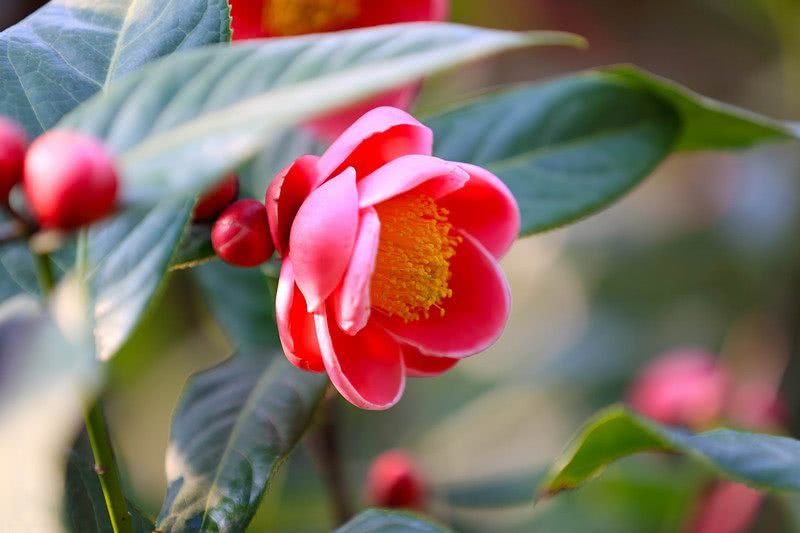
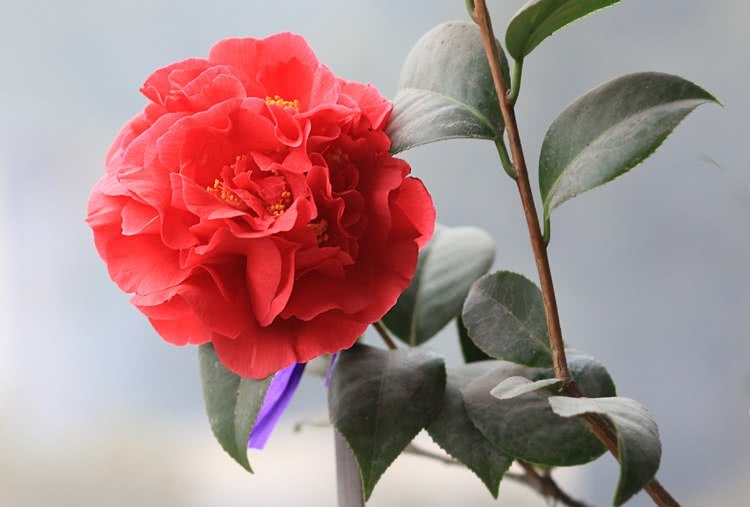
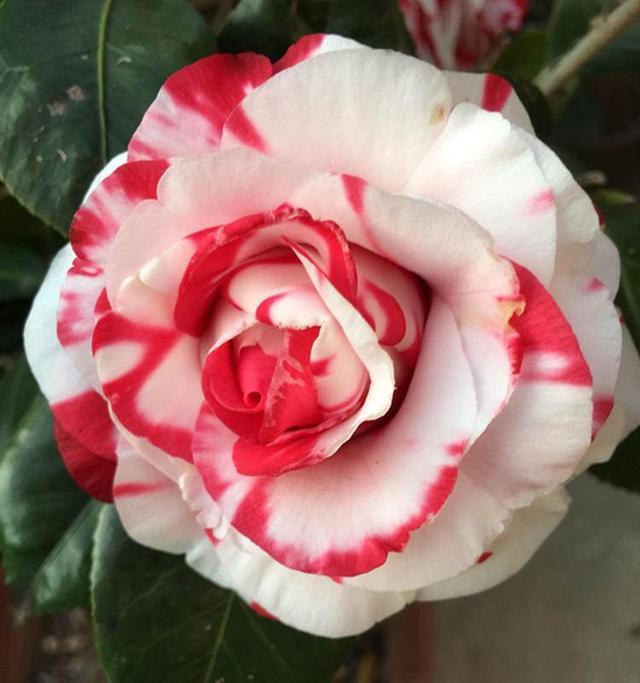
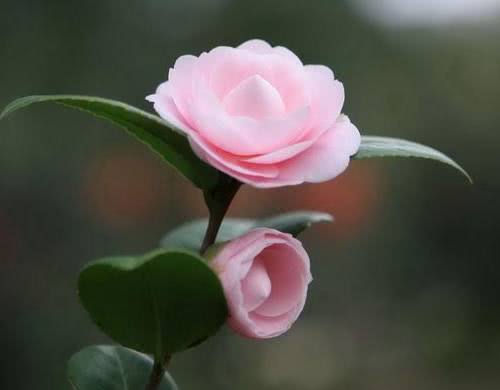
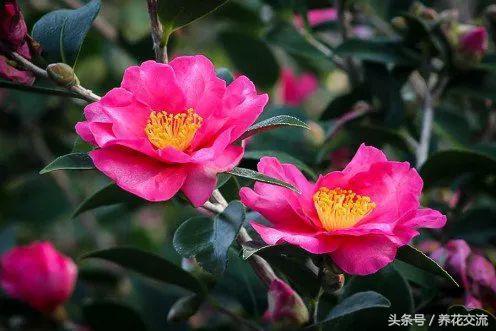
Camellia is an evergreen shrub or small tree of the genus Camellia in the family Theaceae, and it is also one of China's traditional famous flowers. Its most notable feature is its long blooming period: most varieties begin forming buds in late autumn each year and open successively until late spring of the following year, with the peak blooming period mostly concentrated in the flower-scarce season from winter to early spring, which is why it has long been deeply loved by flower enthusiasts.
As for exactly which month it blooms, this depends on the variety and the local climate. Early-flowering varieties generally show flowers around October, mid-season varieties mostly bloom from January to March, and late-flowering varieties can keep blooming until April or May. Overall, flowering is earlier in the warm regions of the south; for potted plants in the north, if they are kept in a heated room in winter, the blooming period may also shift earlier or later accordingly.
To make it bloom well and on schedule, a few points in care need attention. Camellia likes loose, fertile, acidic soil, which can be made from leaf mold, pine needle soil and the like; alkaline, compacted soil should be avoided. It likes a warm, humid, semi-shaded environment, so in summer it should be kept away from scorching sun, while in winter keeping it at a suitably low temperature is instead beneficial to bud development. Once the blooming period begins, it should be moved as little as possible to avoid bud drop caused by sudden changes in temperature.
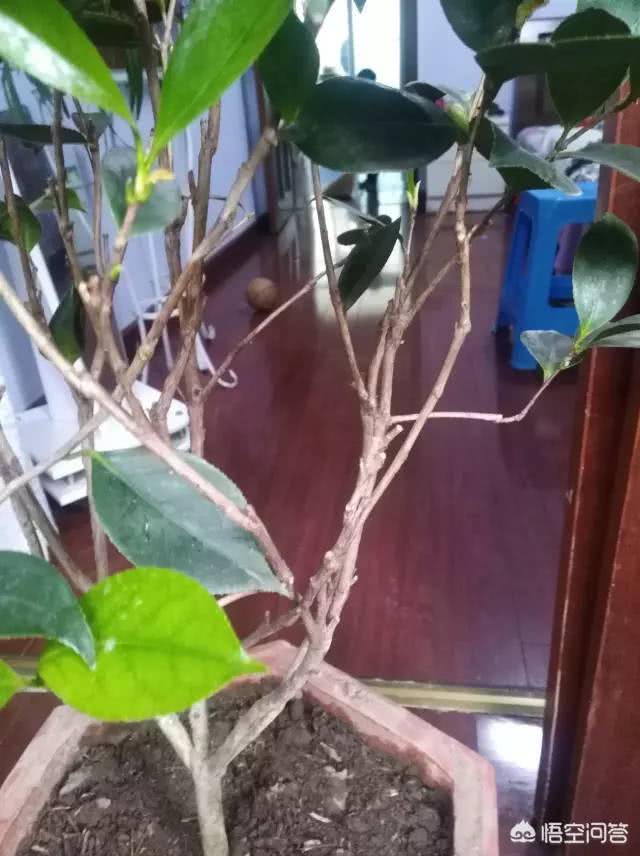
Many flower enthusiasts report that their camellias drop leaves, drop buds, or even fail to bloom for a long time, and the problem is mostly in the roots. Root rot caused by overwatering and soil alkalinization and compaction both affect the roots' ability to absorb nutrients. In daily care, keep the potting soil moist but not waterlogged, apply light fertilizer frequently, and thin out buds appropriately when they are too dense; the number and quality of blooms will then be noticeably better.
Related Reading