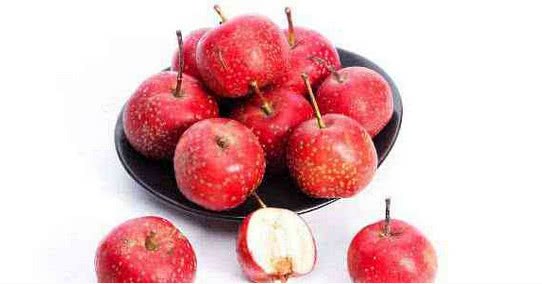
There are many kinds of apples, and different varieties have different taste characteristics
The apple is one of the most widely cultivated fruit trees in the world, and its variety resources are very rich. According to ripening time, they can be roughly divided into three categories: early-ripening, mid-ripening and late-ripening; according to skin color, there are also different types such as red, yellow and green. Different varieties differ noticeably in appearance, taste and storability.
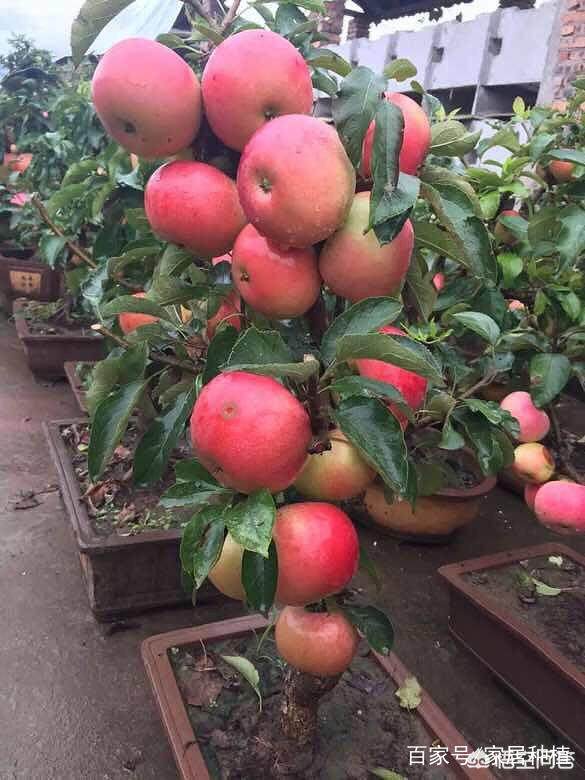
The most common one on the daily market is Red Fuji, whose fruit is relatively large, red and glossy, crisp, sweet and juicy, and stores well, making it the first choice for many families buying apples. Gala ripens earlier, is medium in size, and has a pleasant sweet-and-sour taste; Golden Delicious, also known as Yellow Marshal, has golden skin, fine flesh and a rich aroma, and is suitable for people who like a soft, mealy texture. Red Star types have a tall, blocky fruit shape and a strong fragrance, and are often called snake fruit; Guoguang has a prominent sour taste and a nostalgic flavor; green-skinned apples such as Granny Smith have crisp flesh and a distinct sour taste, and are often used for juicing and baking.
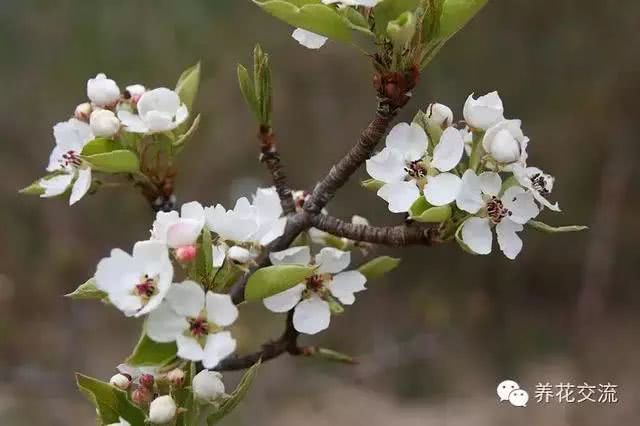
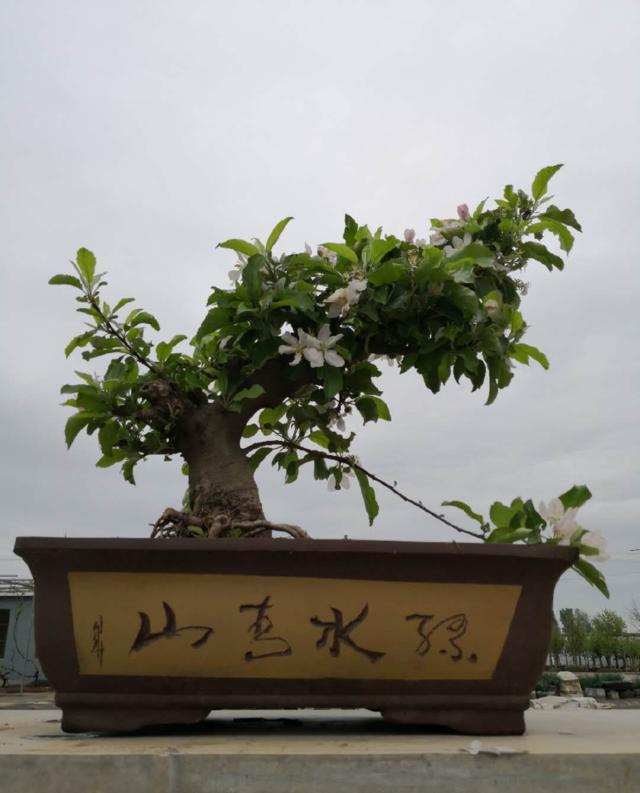
Besides being eaten fresh, apples also have many uses in processing and ornamental planting. Varieties with higher acidity are suitable for juicing, making jam or baking pastries; apple trees are excellent in both flower and fruit, and their branches are also suitable for shaping, and many varieties can be grown in pots. Placed on a balcony or in a courtyard, they are both ornamental and able to yield fruit.
When choosing, you can match them to your taste: if you like crisp, sweet and juicy apples, choose Red Fuji or Gala; if you prefer soft, sweet and fragrant ones, choose Golden Delicious and similar types. If you grow them yourself, note that most apple varieties have weak self-pollination ability, so it is best to pair them with pollinizer trees that bloom at a similar time, and to ensure sufficient light and proper pruning, which makes it easier for them to bloom and set fruit.
Related Reading