Fermented Peanut Shells as a Pot Liner for Growing Flowers: Airy, Fertility-Retaining, and Fewer Root Rot Problems
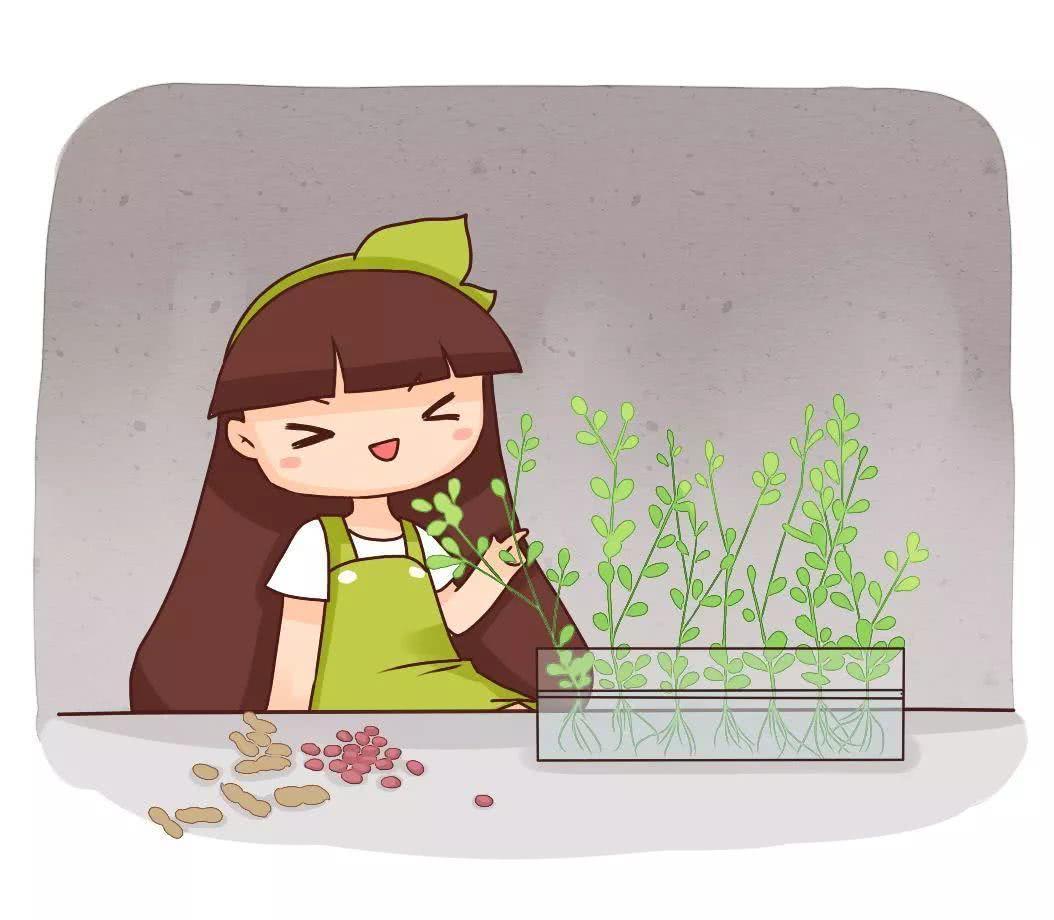
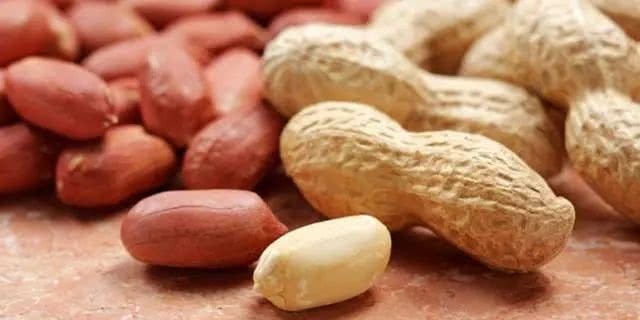
Peanut shells are the outer husks left after peanuts are shelled. They are light in texture and high in fiber, making them a very common material in home flower growing. Many people casually toss the shells away after eating peanuts, but with simple processing they can be a big help in growing flowers.
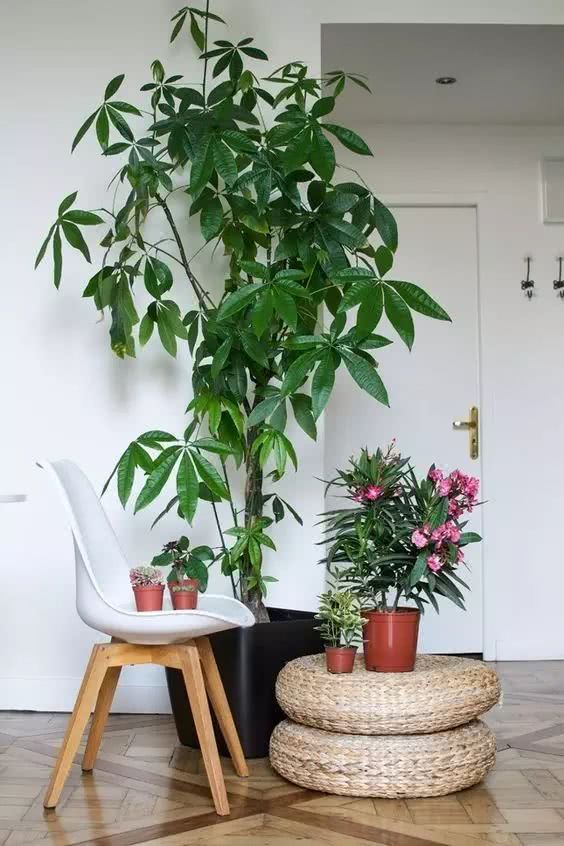
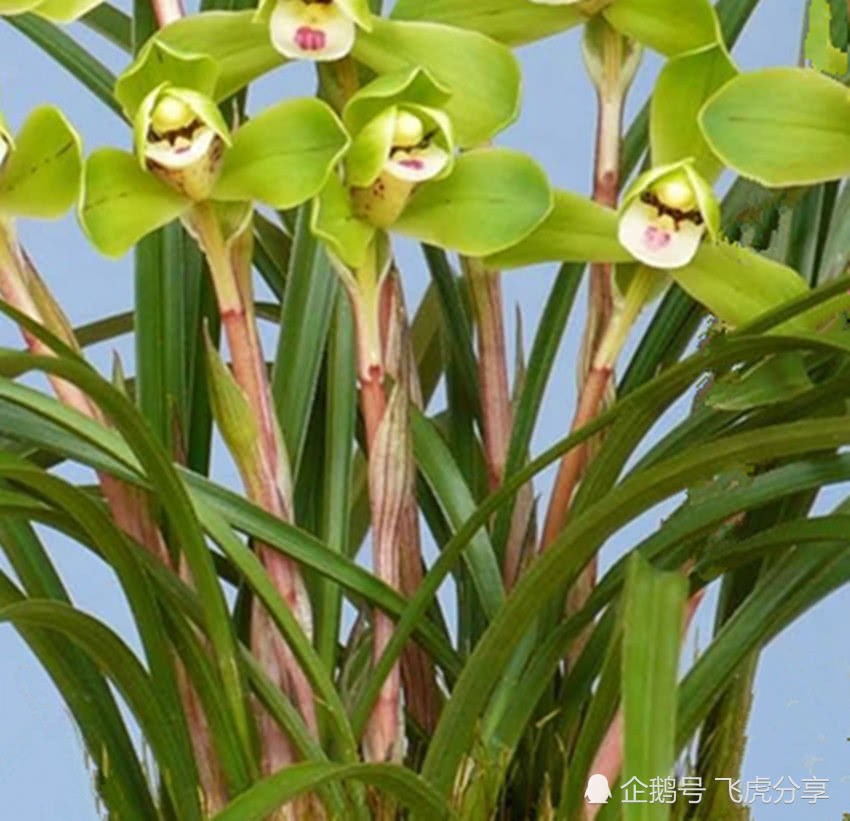
The most common methods are lining pots and mixing into soil. Crush sun-dried peanut shells by stepping on them or pressing them, then spread them at the bottom of a flower pot to form a water-permeable drainage layer, so even heavy watering will not easily cause waterlogging; mixed into potting soil, they make the soil looser and more breathable, which is fairly friendly to plants prone to root suffocation such as clivia (Clivia miniata), orchids, and money trees (Pachira aquatica).
Note that mixing raw shells directly into soil carries considerable risk: the decomposition process in the soil generates heat, which may damage the roots and also tends to attract pests. The safe approach is to ferment them first: soak the shells, put them in a bag or bucket and seal it, then keep it in a warm place for a period of time. Once the color darkens and the texture becomes brittle, they have become a decent kind of organic fertilizer, and can be mixed into soil or spread on the pot surface.
Well-fermented or semi-decomposed peanut shells can also be spread on the surface of the potting soil as a mulch, which both reduces water evaporation and keeps soil from splashing when watering. When preparing growing medium for orchids, mixing peanut shells with materials such as bark keeps the medium loose yet held together, which helps the roots breathe.
Keep two things in mind when using them: first, do not overdo the amount - a thin layer at the bottom of the pot is enough, and the proportion mixed into soil should generally not exceed one third of the potting soil; second, try not to let unfermented shells sit directly against the roots. As long as they are handled properly, peanut shells from home can be turned from waste into treasure, saving a good deal of cost in flower growing.
Related Reading