Yellow leaves and root rot when growing flowers? Missing this affects flowering and growth, add a little and they will soon be covered in blooms
Many flower growers cannot figure out when to use fungicides, when to fertilize, how to promote flowering, or how to get glossy green leaves, and they may not even understand the difference between fungicides and flower fertilizers. Today we will explain this issue
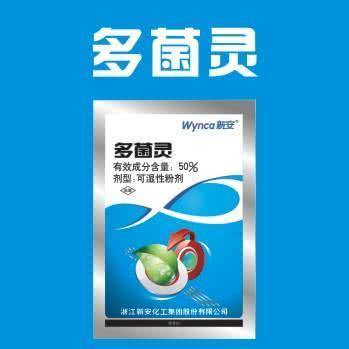
Most fungicides are commonly used ones such as carbendazim and thiophanate-methyl. Flower fertilizers include compound fertilizers, organic fertilizers, phosphorus and potassium fertilizers, and so on.
These two types of chemicals can be used together with fertilizers, and there is no conflict when they are used together. The fungicide itself kills bacteria on the plant roots, helps the plant return to a healthy state, and prevents root rot and leaf rot. The roots can absorb only a small amount of it.
If we grow flowers indoors with poor ventilation and water too much, it easily leads to leaf rot and root rot. At this time, we need to spray or drench the roots with carbendazim, which can prevent and control the occurrence of leaf rot, root rot, and similar problems.
When repotting and changing the soil, if the root system is damaged, we can also soak the potting soil with a carbendazim solution to kill pathogens and prevent root rot.
Potassium dihydrogen phosphate is used during the flower bud differentiation stage.
For example, the flower bud differentiation stage of Kalanchoe blossfeldiana and Schlumbergera is around October. During the flower bud differentiation stage of Kalanchoe blossfeldiana, we can apply potassium dihydrogen phosphate once about every 10 days, either by spraying or root drenching. Applying it two to three times is enough. This can promote flower bud differentiation, produce more flowers, extend the flowering period, and protect flowers and buds.
Organic fertilizers and compound fertilizers are both used during the growth period of flowers and plants. They can supplement the various nutrients needed during growth and promote lush branches and leaves.
These fertilizers complement each other in the process of growing flowers, and none can be missing. Fungicides are used when flowers and plants have pathogens, leaf rot, spots, or root rot. Now everyone should understand.