Orchids cannot take root, sprout, or bloom without it, and it is a hundred times better than fertilizing
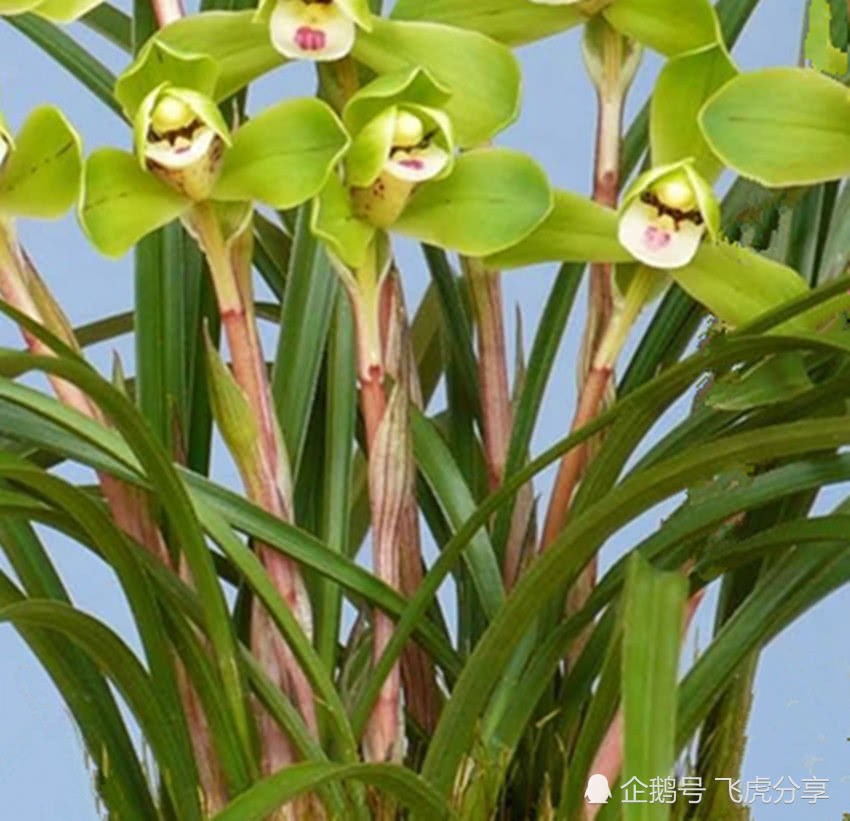
Orchid growers all know that orchids have fleshy roots. Their roots differ from those of other flowers: they grow grayish-white roots from the pseudobulbs, with no distinction between main roots and fibrous roots, and their growth depends entirely on the microbial community around the roots, called orchid mycorrhiza. As orchids grow, the orchid mycorrhiza enters the orchid's body. The orchid relies on the orchid mycorrhiza to absorb nutrients and water, while the orchid mycorrhiza relies on the nutrients and water inside the orchid to survive and reproduce. This forms a mutually beneficial symbiotic relationship: orchids cannot grow without orchid mycorrhiza, and orchid mycorrhiza cannot survive without orchids. Therefore, to grow orchids well and make their roots strong, shoots vigorous, and flowers abundant, you need to increase the beneficial orchid mycorrhiza that supports orchid growth.
In orchid cultivation, many growers apply chemical fertilizers and sterilization agents to their orchids. While these fertilizers and agents kill pathogens and bacteria, they also kill some of the beneficial orchid mycorrhiza, leading to poor orchid growth. If you want orchids to grow better, you need to cultivate more beneficial orchid mycorrhiza around them, and the most effective way to cultivate beneficial orchid mycorrhiza is to add it directly. The beneficial orchid mycorrhiza community itself contains certain nutrients that orchids can absorb directly, and during its metabolism, its metabolites can be well absorbed by orchids.
Orchid pests and diseases are mainly caused by harmful bacteria invading the orchid's body, leading to yellowing leaves, rotting roots and stems, and other diseases; in severe cases, the entire plant can die. Harmful bacteria and beneficial bacteria live within the orchid's microbial community, killing each other like enemies. When the quantity and quality of beneficial bacteria hold an absolute advantage, they can completely defeat the harmful bacteria, making the orchid plant strong and vigorous; otherwise, diseases invade and growth is hindered. Therefore, only by cultivating more beneficial bacteria during orchid growth can harmful bacteria have no chance to breed, and the orchid plant will not suffer from diseases and will grow better and better. Management also becomes very worry-free and easy. Through long-term application of beneficial orchid mycorrhiza, it has been found that it can also improve the organic matter in orchid potting medium, making it more airy and loose.
Beneficial orchid mycorrhiza can be sprayed or watered on, but there are several points to note when using it: 1. After using chemical fertilizers and fungicides, wait ten days before using it, because residual fungicides will inhibit the reproduction and efficacy of the beneficial orchid mycorrhiza. 2. After diluting the beneficial orchid mycorrhiza with water, let it sit for 10 hours to activate and reproduce the bacterial bodies and produce more beneficial bacteria. 3. It cannot be used at the same time as antibiotics and fungicides. If using tap water, let the water sit for a full day and night before use. Through more than two years of observation, long-term addition of beneficial orchid mycorrhiza can keep orchids healthy and vigorous all year round, with very few diseases occurring. Whether it is really good or not, you only know after trying it. Welcome to exchange flower-growing experience,