The Symbolic Meanings and Common Implications of Flowers and Trees: An Interpretation of Traditional Flower and Tree Culture
The symbolic meaning of flowers and trees refers to a system of implications gradually formed as people, over the course of long-term cultivation and appreciation, linked the growth habits and morphological features of plants with human emotions. It is an important part of traditional flower and tree culture, allowing flowers, grasses, and trees to go beyond the level of ornamental appreciation and also carry people's hopes and aspirations for a better life.
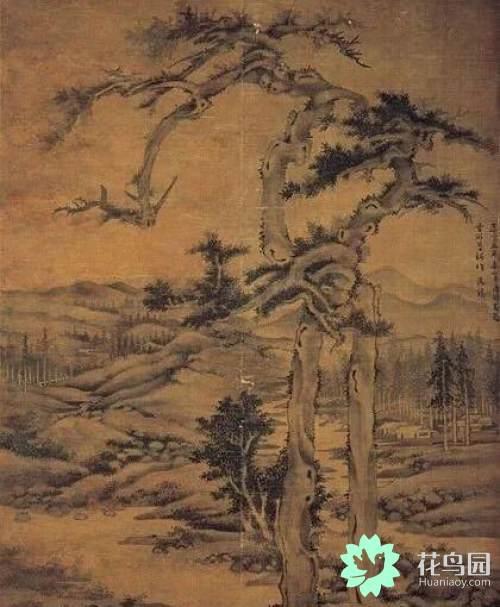
From the perspective of common implications, the symbolism of flowers and trees is mostly related to their habits or homophonic wordplay. Plum blossom, orchid, bamboo, and chrysanthemum are known as the Four Gentlemen, respectively representing the qualities of defying snow, quiet seclusion, integrity, and reclusive retirement; pine and cypress stay green through all four seasons and are often used to symbolize longevity and steadfastness; the lotus emerges from mud unstained and is a symbol of noble purity; the peony has magnificent blooms and has long been regarded as a representative of wealth and good fortune. In addition, osmanthus implies success in the imperial examination, pomegranate symbolizes many sons and abundant blessings because of its many seeds, and red bean conveys the feeling of longing.
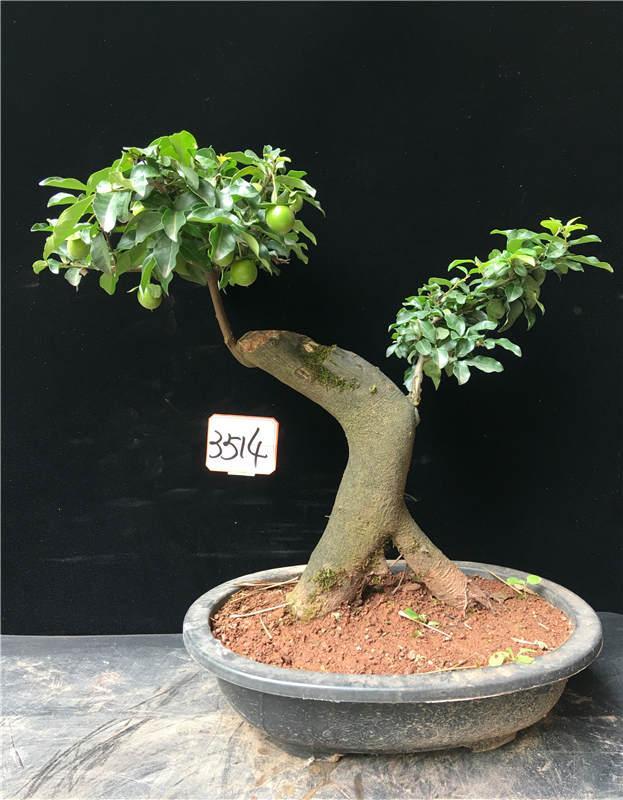
These symbolic meanings are widely applied in garden landscaping, festival customs, painting, and poetry. Planting magnolia, crabapple, and osmanthus in a courtyard takes the auspicious omen of "jade hall wealth and honor"; placing narcissus and kumquat around the Spring Festival is meant to welcome spring and invite blessings; in traditional flower-and-bird painting, every branch and leaf often carries particular meaning, so viewing a painting is like viewing the artist's intention. Understanding these implications can add a layer of cultural interest to everyday flower growing and tree planting.
It should be noted that the symbolic meanings of flowers and trees mostly come from folk oral tradition, and the interpretations in different regions and on different occasions are not entirely consistent. For example, when visiting a patient or giving flowers to an elder, it is best to first learn about local customs and taboos before choosing flowers, so as to avoid a misunderstanding caused by good intentions. Combining symbolic meanings with care knowledge will make both enjoying flowers and using flowers more appropriate.
Related Reading