Key maintenance and management points for potted flowers and trees during the plum rain season
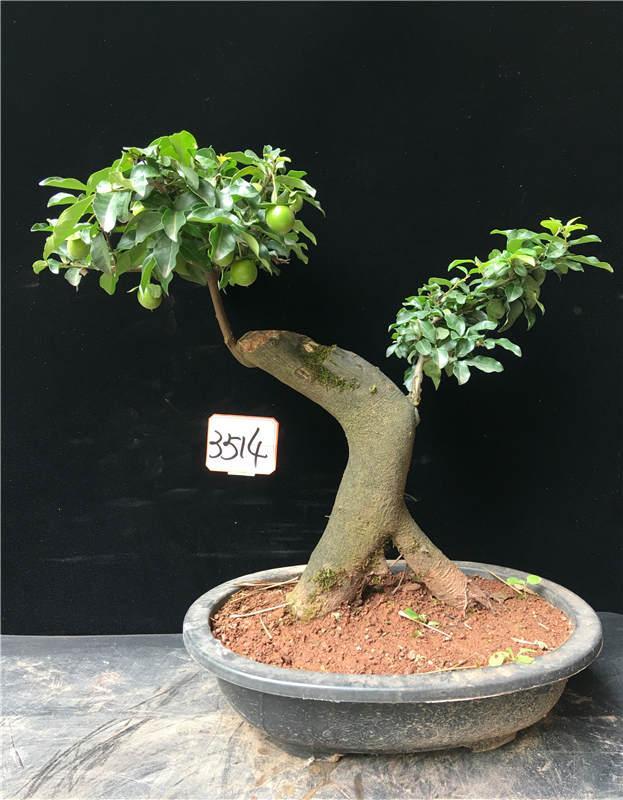
Management of potted flowers and trees during the plum rain season
During the plum rain season when plums ripen and turn yellow, the air humidity is high, which is suitable for the reproduction of various molds, so it is also called the mold rain period. The plum rain often brings many adverse effects on the growth of potted flowers and trees. For this reason, the following tasks must be done well so that potted flowers and trees can steadily and safely get through the mold rain period.
1. Drainage and improving water permeability
During the plum rain season, potted plants in the open ground are prone to waterlogging damage, and because the air humidity is high, the amount and frequency of watering should be reduced. At the same time, potted flowers and trees need frequent loosening of the surface soil, and a wooden stick should be used to poke holes along the pot wall down to the bottom of the pot, so as to facilitate drainage and aeration and prevent root suffocation and death caused by lack of oxygen in the pot soil.
In addition, before heavy rain arrives, the pot body can also be laid sideways so that it not only prevents water accumulation but also avoids nutrient loss. For fleshy-rooted plants and cactus family plants, they should be moved under a rain shed to avoid rain, or covered with a film cover to prevent rain.
2. Pinching and topping
For woody potted flowers that bloom in winter and spring, such as camellia and winter jasmine, the focus is pinching and topping to control nutrient distribution and promote reproductive growth. For flowers and trees that are still in the vegetative growth stage and bloom in summer and autumn, such as hibiscus and cotton rose, measures such as pinching and topping, tying and constricting, and twisting branches can be used to promote branching, weaken apical dominance, control excessive rampant growth of the plant, and encourage horizontal growth, laying the foundation for flower bud differentiation and flower bud enlargement.
3. Strictly control fertilizer and water
During the plum rain season, branches are prone to excessive vegetative growth. In addition to pinching and controlling the top to control excessive vegetative growth in the early stage, the supply of fertilizer must also be strictly controlled, especially nitrogen fertilizer.
4. Prevent flower and fruit drop
For potted woody plants that bloom and bear fruit in summer, such as pomegranate, flower buds are initiated on current-year young branches, expand into buds, and then bloom. When the plant forms young fruit after flowering, in addition to foliar spraying of a bud-strengthening and fruit-setting agent, nitrogen topdressing should also be controlled and attention should be paid to water accumulation in the pot to prevent bud and fruit drop, and the supply of phosphorus and potassium fertilizer should be strengthened. As for potted citrus, be sure to shorten excessively long late spring shoots, promptly remove new buds, and after the first physiological fruit drop, carry out foliar spraying of 2% boric acid water and potassium dihydrogen phosphate to prevent later fruit drop. During this period, for flowers and trees such as peach and pear that have already set fruit, the favorable plum rain period should be used to carry out early summer pruning in advance and adjust the fruit-to-leaf ratio, which is beneficial to the growth of young fruit and the improvement of fruit quality.
5. Prevention and control of pests and diseases
First, lightly prune the flowers and trees to an appropriate degree, second, widen the spacing between pots to facilitate ventilation, and at the same time spray pesticides to prevent and control pests and diseases, once a week, for a total of 3 to 4 sprays, which can eliminate diseases and pests at the same time.