Grain output has increased year after year, so is there still any point in importing grain? The answer is surprising
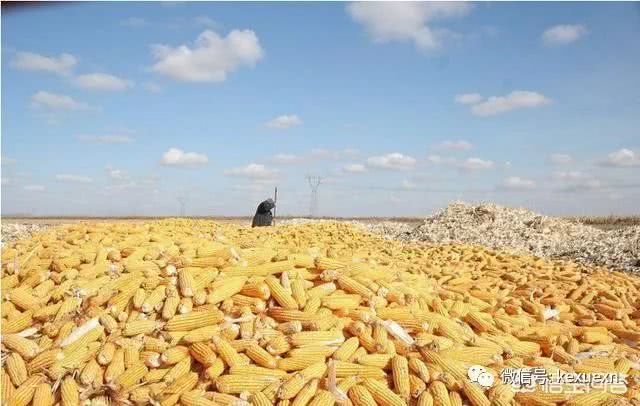
Although China's grain output saw a slight decline in 2016, it still remained stable above 6 trillion tons; apart from that year, it can be said to have been in a state of near-continuous growth. And for the country, famine also seems to be getting farther and farther away from us, but there is no denying another objectively existing problem: while China's grain output has increased year after year, China's grain imports have also been increasing year after year.
So let's talk about why exactly grain is imported. Let's look at the specifics below.
Judging from the types of grain China currently imports, there are basically the following types: soybeans, wheat, rice, corn, sorghum, and so on. However, a careful analysis of the quantities of these imported grains reveals a problem: the soybean shortfall is extremely serious. In 2017, for example, soybean imports totaled 95.53 million tons, and in 2016 imports were 86 million tons, yet other crops such as corn, wheat, and rice combined amounted to no more than 40 million tons; in 2017 total grain imports were 130 million tons.
This also illustrates a problem: it is not that China's grain is insufficient, but that the structure is very unbalanced. This is also the reason behind the supply-side structural reform of China's grain sector proposed in recent years.
In addition to the reasons mentioned above, there is also the lack of domestic supply of grain for certain special uses. For example, domestic imports of strong flour run at the million-ton level every year, and due to the special requirements of domestic bread making, the quality of domestic strong wheat is insufficient. Thus there is demand for imports.
Now let's talk about another major reason: economic globalization. In today's era of economic globalization, trade exchanges have already become very frequent. The closed-off Qing dynasty made the gap between China and the world's economic powers grow wider and wider, whereas after China's reform and opening up, actively embracing the world brought about an economic takeoff. Isn't this a lesson from the past?
From this point of view, in today's era, global economic trade is entirely normal, and there is no need to make a fuss about it. It is true that China imports grain, but China is also constantly exporting grain! Therefore, while China's grain output has increased year after year, there is nothing surprising about importing grain either.
This is Science Agriculture, welcome to follow, and let us grow our knowledge together.