Narcissus Poems Praise the Elegance and Spirit of the "Fairy on the Waves"
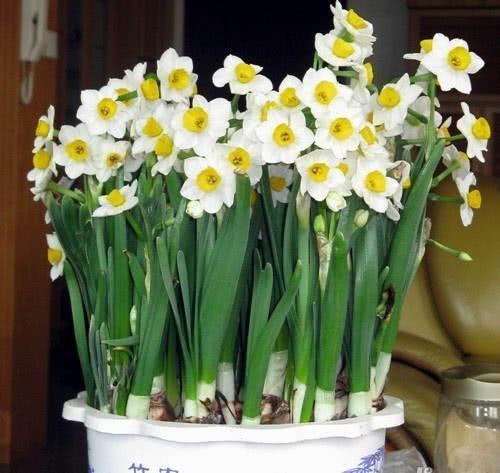
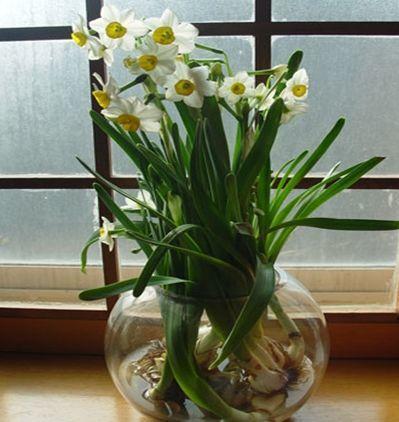
Narcissus poems are poetic works that take the narcissus as their subject of praise, and they hold a unique place in classical Chinese poetry. Because the narcissus mostly blooms at the turn of winter and spring, and needs only a basin of clear water to send up leaves and buds, the ancients regarded it as a symbol of lofty purity and freedom from the mundane, often calling it the "Fairy on the Waves."
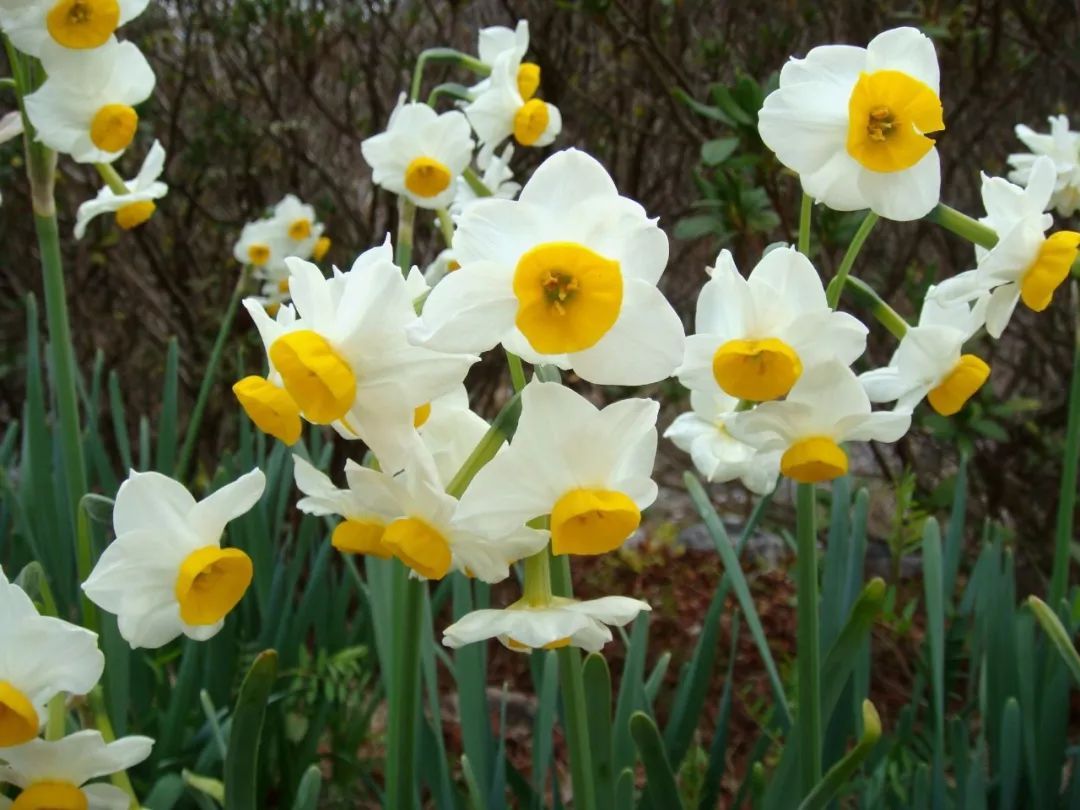
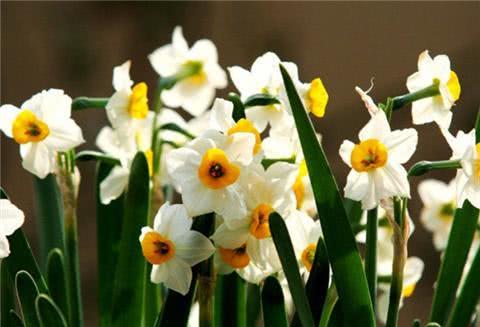
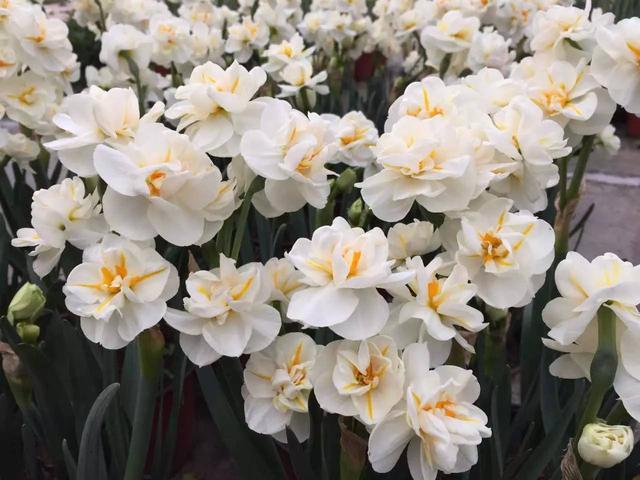
The most striking feature of this kind of poetry is using the flower to represent a person. Poets often seize on the narcissus's pure white petals and golden corona, comparing it to a fairy untouched by dust, and through this expressing their own solitary, lofty and upright aspirations. Quite a few works also use the narcissus's posture of blooming by the water to express joy at welcoming spring or feelings about the passage of time.
In terms of form, works praising the narcissus include both ancient-style poems such as jueju and lushi, as well as free verse created by modern poets. In subject matter they can broadly be divided into two types: one is purely about the object, carefully depicting the flower's form and spirit; the other uses the flower to express aspirations, treating the narcissus as the embodiment of character and sentiment.
For ordinary flower growers, reading these poems can deepen their understanding of the narcissus's cultural meaning. Placing a pot of narcissus around the Spring Festival, accompanied by a few lines of flower-praising verse, adds a touch of elegance to the home. When writing flower introductions or arranging flower exhibitions, appropriately quoting lines of verse can also give the text more charm. When appreciating them, one might compare the imagery in the poems with the flower before one's eyes, the better to understand why the narcissus was favored by literati through the ages.
Related Reading