Narcissus Leaves Turning Yellow: 4 Tips to Make Flowers Bloom in a Bursting Pot
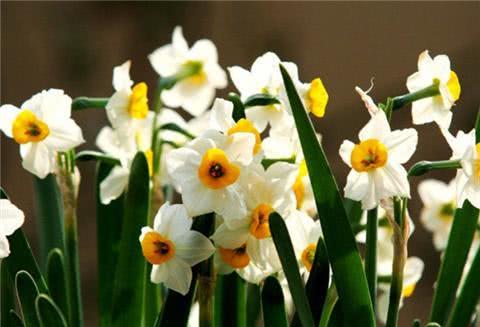
Narcissus flowers are brightly colored and elegantly fragrant, loved by many people. When grown at home, yellowing leaves can occur. Below we introduce the causes of yellowing narcissus leaves and the solutions. Let's take a look!
(1). Unsuitable temperature
If narcissus is kept in a high-temperature environment for a long time, the leaves will turn yellow. High temperatures cause the leaves to wilt and then turn yellow. Too low a temperature can also cause yellow leaves; low temperatures easily freeze the leaves, causing them to turn yellow or even drop off.
Solution: In summer, provide shade measures, move the plant indoors in time, and avoid direct sun exposure. In winter, provide warmth measures, and move it indoors when the temperature drops. To keep narcissus growing and blooming healthily, maintain a suitable temperature, which is beneficial to the plant's growth.
(2). Improper watering
Improper watering can also cause yellow leaves; both too much and too little water are bad. With too much water, it is well known that waterlogging easily occurs, damaging the roots and causing yellow leaves. With too little water, the potting soil dries out, the leaves do not get enough water, and yellow leaves result, which also affects the plant's growth and blooming.
Solution: Water according to the situation. For soil culture, wait until the soil is dry before watering thoroughly. For water culture, change the water to ensure water quality. Take appropriate watering measures at different growth stages. During the growing period, water more to meet growth needs. In winter, reduce watering to avoid freezing damage, which helps the plant overwinter. For watering, use natural water such as rainwater and river water as much as possible.
(3). Improper fertilizing
Improper fertilizing easily causes yellow leaves. If no fertilizer is applied for a long time, nutrients are lacking, and the leaves will lack nutrients and turn yellow, especially when nitrogen fertilizer is lacking for a long time. If the fertilizer is too concentrated, the roots are damaged; new leaves will grow thick and fleshy with an uneven surface, but old leaves will dry out and turn yellow.
Solution: When fertilizing narcissus, apply fertilizer appropriately according to the situation, pay attention to balanced nutrients, and combine nitrogen, phosphorus, and potassium fertilizers as much as possible. When the temperature is below 15 degrees, reduce fertilizing. If too much fertilizer is applied, or the fertilizer is too concentrated, water to dilute the fertilizer effect; in severe cases, remove the plant from the pot. Change the pot regularly every year to ensure soil fertility and meet the nutrients needed for growth.
(4). Improper lighting
Not receiving light for a long time will cause the leaves to turn yellow. In summer when temperatures are high, if there is too much light, yellow spots will appear on the leaves, and tender leaves will be scorched.
Solution: Narcissus likes light. During the day, place it on a balcony with plenty of light, which helps the plant carry out photosynthesis better, fully absorb nutrients, and make the leaves more upright and green. It is fine to maintain about 6 hours of light per day; in summer, provide appropriate shade.