Boston Ivy: A Complete Guide to This Climbing Greenery Plant
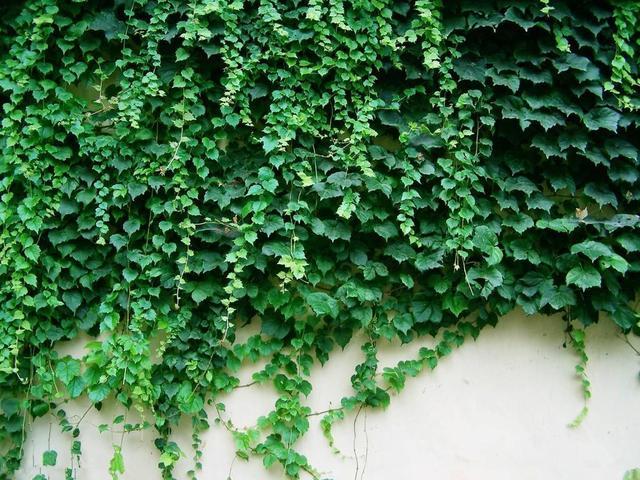
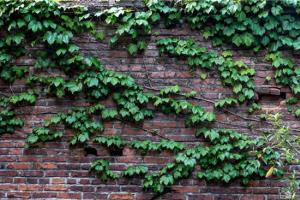
Boston ivy (Parthenocissus tricuspidata) is a perennial deciduous climbing vine in the grape family, genus Parthenocissus, also commonly called Japanese ivy or wall-climbing tiger, and it is widely distributed across both northern and southern parts of China. Its stems bear tendrils, and the tips of the tendrils have adhesive discs that can firmly attach to walls, rocks or tree trunks and grow upward, making it a very common plant in courtyard and urban vertical greening.
In appearance, Boston ivy leaves are mostly palmate, usually three-lobed, with dense foliage; they show a rich green in spring and summer, and after autumn arrives the leaves gradually turn red or orange-yellow, giving high ornamental value. It is highly adaptable, tolerant of shade, drought and cold, and is not strict about soil; after planting it basically needs no fine management, and it grows fairly quickly, able to cover a wall in just a few years.
In terms of use, Boston ivy is often used to green walls, trellises, fences and slopes; its dense foliage can block sunlight and lower wall temperature, keeping rooms cooler in summer, while also trapping some dust and providing a certain purifying effect. When planting it in a courtyard, you need to guide and prune it regularly to prevent the vines from covering doors and windows or climbing onto power lines.
A relatively common problem in care is pests, such as small white insects or eggs appearing among the branches and leaves, mostly related to pests like scale insects and whiteflies; this can be controlled by cutting off the affected branches, improving ventilation and light conditions, and spraying appropriate pesticides as needed. Only by persisting with treatment can recurrence be reduced. Overall, Boston ivy is tough and easy to grow, making it an ideal choice for greening and beautifying walls.
Related Reading