How to care for Boston ivy? Care methods for deciduous woody climbing plants
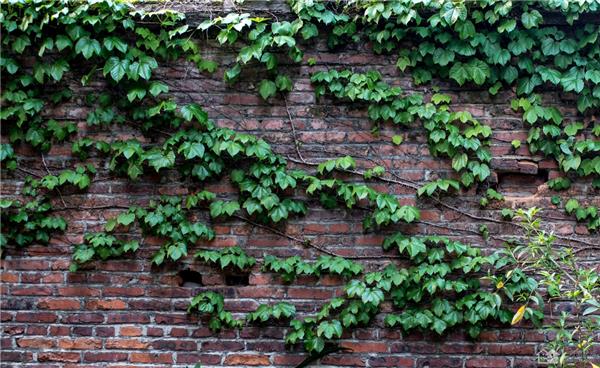
It commonly climbs on walls and rocks. The rhizome of Boston ivy can be used as medicine to break blood stasis and reduce swelling and toxins; the fruit can be used to make wine, but its roots secrete acidic substances that corrode limestone. Its roots drill into wall cracks along the gaps, making the cracks too large and, in severe cases, causing the wall to crack and collapse. How should Boston ivy be cared for? Today, the editor will explain this knowledge to everyone. Take a look.
The propagation process needs attention to the following matters:
1. Seed sand storage and germination. In September, when the berries mature and turn purple-blue, pick them immediately, clean them, dry them in the shade, disinfect the surface with a 0.05% carbendazim solution, drain them, and then store them in moist sand layers. By early March of the following year, soak the seeds in 45°C warm water for two days, changing the water twice a day, then mix them evenly with moist sand at a seed-to-sand ratio of 2:1, place them in a sunny, wind-sheltered spot, cover with straw bags, and spray fine water frequently to keep them moist. After about 20 days, when 20% of the seeds show white sprouts, they can be sown.
2. Sowing. First, finely level the sowing bed, water it thoroughly, and sow the seeds together with the sand on the bed surface at a sowing rate of 100 grams per sq m. Cover with 1 cm of loose forest humus soil, then set up a small arch shed and cover it with polyethylene plastic film.
3. Seedling management. After the cotyledons emerge, the film should be uncovered during the day and covered at night on sunny days, and kept covered all day on cloudy and rainy days, to increase soil temperature, promote uniform emergence, and prevent damage from scarab beetles. In addition, water frequently to keep the soil moist. 4. Transplanting and later management. After three true leaves have unfolded, choose a cloudy day or after 3 p.m. and transplant at a density of 1 x 1 chi. Immediately after planting, water once with diluted manure water (1:8). During the plum rain season, waterlogging must absolutely not be allowed to last too long. After two months, the vines generally grow to more than 60 cm. At this time, the first pinching can be done to prevent the vines from tangling with each other and blocking light, and to encourage the vine seedlings to become thick and strong. Pinch once a month, combined with supplementary feeding. By taking the above measures, by the leaf-fall period, the average thickness of seedling vines can reach more than 0.5 cm, and they can be dug out and planted.
Boston ivy is cold-resistant and drought-resistant, and prefers shady and moist environments. It has low requirements for soil and broad climate adaptability. Propagation methods mainly include cuttings and layering. Layering can be done in spring by bending old plant branches into the soil to take root. In the following spring, cut them away from the parent plant and plant them separately. Hardwood cuttings are done from March to April. Cut hardwood branches into 10-15 cm sections and insert them into the soil, water thoroughly, and keep moist. Softwood cuttings use new shoots of the current year and are done in summer. Boston ivy has extremely strong vitality, so propagation is very easy to succeed. After the small seedlings survive and grow for one year, they can be transplanted and established. When planting, deeply turn the soil and apply enough decomposed base fertilizer. When the seedlings grow to 1 m long, lead them toward the climbing support with galvanized wire or rope.
During the growing period, apply liquid fertilizer 2-3 times as a top dressing. Also frequently weed and loosen the soil to form a border, so they are not overwhelmed by grass, and to promote robust growth. Boston ivy is afraid of waterlogging, so pay attention to preventing soil water accumulation.
Boston ivy tolerates pruning. During growth, the branches and vines around doors and windows can be pruned and tidied as appropriate to keep them neat, beautiful, and convenient.
The above is the editor's introduction to how Boston ivy should be cared for. I hope it can help everyone. If you want to learn more related information, please continue to follow No. 1 Home Network.