A Complete Guide to Monstera Varieties and Home Care Methods
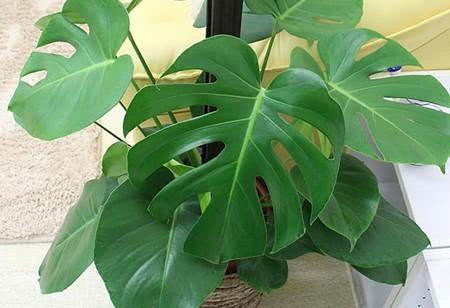
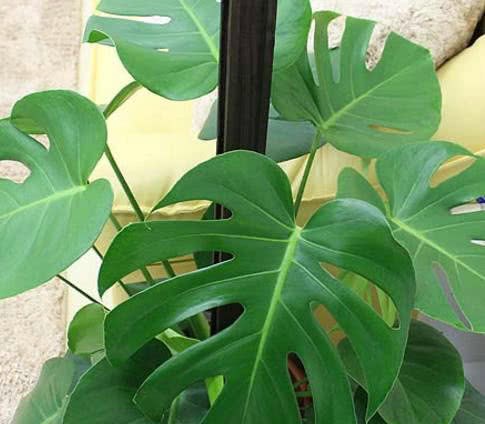
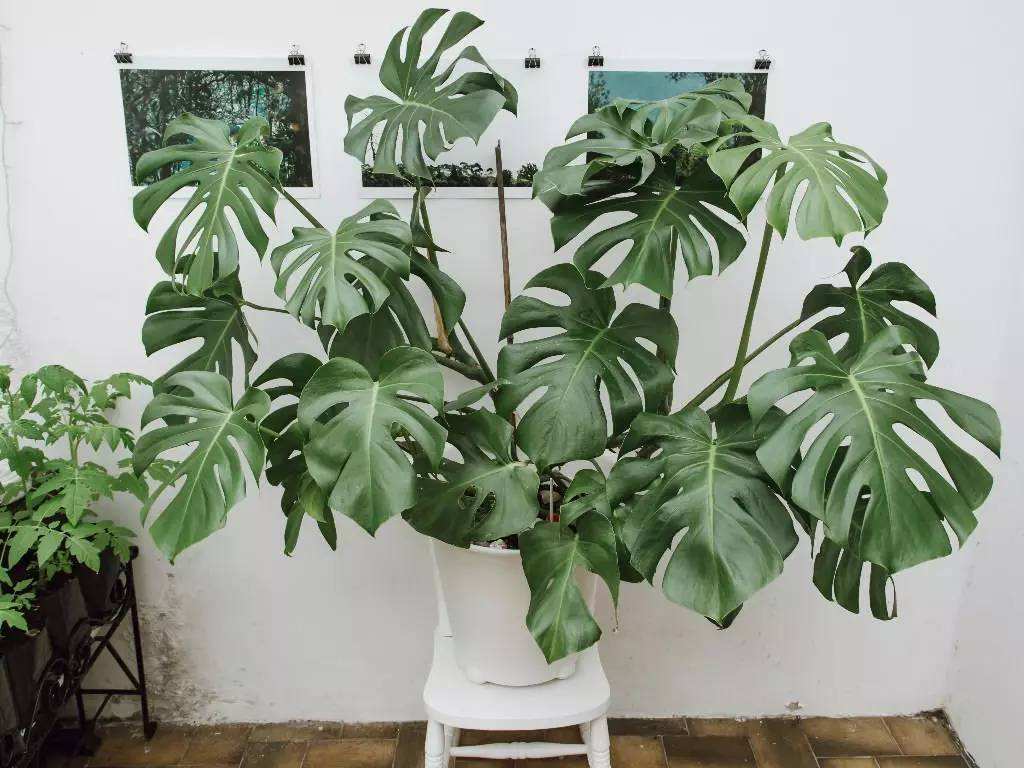
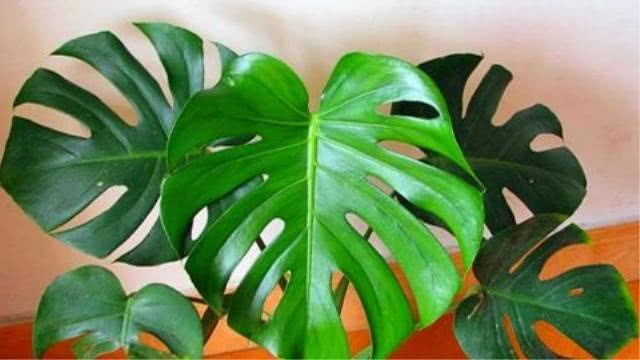
Monstera (Monstera deliciosa) is a perennial evergreen climbing plant in the genus Monstera of the family Araceae, native to tropical America, named for the irregular holes and splits in its leaves that resemble the pattern of a turtle's shell. It has a grand, spreading form with broad, deep green leaves, making it a very popular indoor foliage plant.
Monstera likes a warm, humid, semi-shaded environment; it is not tolerant of severe cold and also fears intense direct sunlight, so it is best placed in a spot with bright indirect light. Its aerial roots are well developed, and in its place of origin it can climb up trees; when grown at home, you can set up a moss pole or support to guide the stems to climb, which will make the plant fuller.
Besides the common Monstera, other common varieties include variegated Monstera and Monstera adansonii (Swiss cheese vine), which has smaller leaves with fine, dense holes. Different varieties have their own features in leaf shape, depth of holes and splits, and plant size, so when buying you can choose based on the space in your home and the lighting conditions.
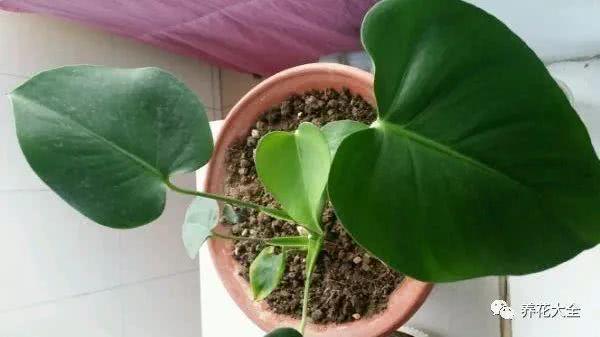
For daily care, keep the potting soil moist but not waterlogged; during the growing season you can frequently spray water on the leaves and surroundings to raise humidity, and regularly rotate the pot so the leaves receive even light. Many people run into the problem of Monstera not developing splits, which is mostly related to insufficient light, the plant still being young, or nutrients not keeping up; give it appropriate indirect light and care for it patiently, and the leaves will more easily develop wide, beautiful holes.
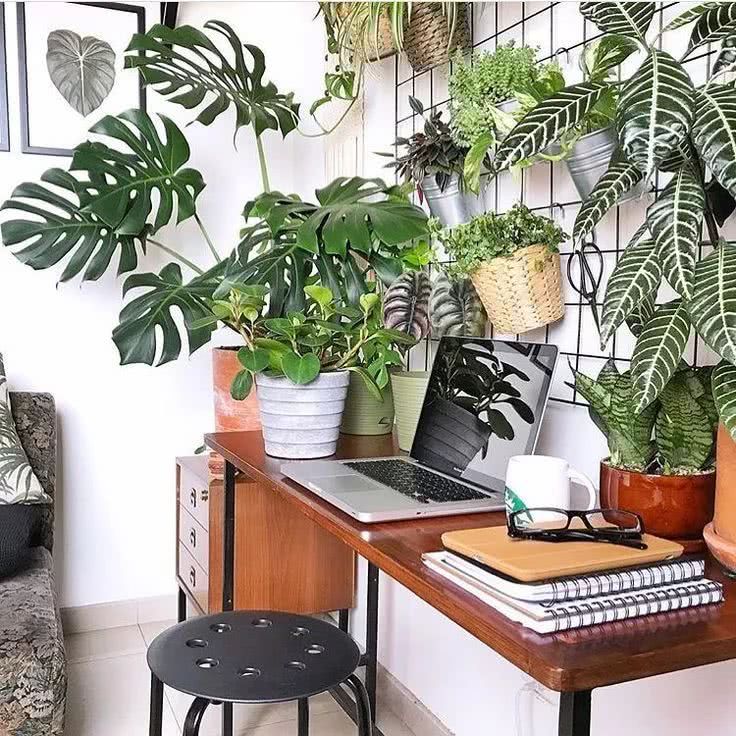
As a large foliage plant, Monstera has strong leaf transpiration, which helps regulate indoor air humidity. Combined with its unusual leaf shape and stylish look, it is very suitable for placing in the living room or study, making it a home greenery plant with both ornamental value and practical use.
Related Reading