What to Do When Monstera Leaves Grow So Big They Droop: An Experienced Grower Shares Three Essential Care Tips
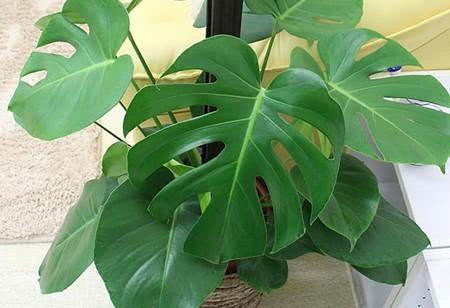
Many plant lovers like to keep a Monstera (Monstera deliciosa) at home. Its leaves are large and glossy, with a graceful form that gives a feeling of calm simplicity. Looking at it helps you relax, and it can also absorb carbon dioxide and purify the air.
The Monstera grown by an experienced grower has leaves so big they droop, and friends who see it are all envious. A plant lover learned 3 tips from him, and today we are sharing them with fellow plant lovers too.
1. Choosing Potting Soil
Soil is the foundation of plant growth. Monstera grows very fast and needs plenty of nutrients, so it should be repotted every year, and repotting can be done in spring or autumn.
When Monstera is kept indoors, it can grow in all four seasons if conditions allow, so you need to mix into the potting soil an organic fertilizer that can provide nutrients over the long term. Use leaf mold as the base, then mix in some sandy soil and eggshell powder and stir until evenly combined. First put pieces of tile or ceramic granules at the bottom of the pot, then spread a layer of soil, then add a layer of dried animal manure pellets as a base fertilizer, and continue filling with soil until the pot is 80% full, and then you can plant the Monstera in it.
2. Providing Fertilizer and Water
If you want Monstera to have large leaves and thick stems, you also need to give it fertilizer and water. During the growing season, you can apply diluted nitrogen fertilizer about twice a month. It is best to place it not far from an indoor window, where it can get some scattered light in the morning and evening. Keep the potting soil slightly moist, and spray more water vapor on the leaves, and it will grow better.
3. Spraying Diluted Monopotassium Phosphate Solution
When the leaves are large, the root system cannot care for them well, which can easily cause yellow leaf tips and so on. So about every ten days, spray the leaves with a monopotassium phosphate solution diluted 500 times for the leaves to absorb. This can make the leaves more emerald green and glossy and help them carry out photosynthesis better.
When spraying monopotassium phosphate, there is one thing to note: on the second day after spraying, it is best to rinse the leaves with clean water so that residue does not remain on the leaves and affect leaf metabolism.
That is all for sharing Monstera care. If fellow plant lovers have other additions, you can share them with everyone in the comment section below. If you want to learn more about growing plants, you can follow Flower Fairy!