What Are National Flowers? Get to Know the Representative Flowers of Countries Around the World
A national flower is a flower used by a country to symbolize its national image and cultural spirit, usually originating from historical tradition, public preference, or official designation. It carries a country's aesthetic tastes and spiritual pursuits, and in foreign exchanges and cultural dissemination it is often regarded as one of the important symbols of a nation's image.
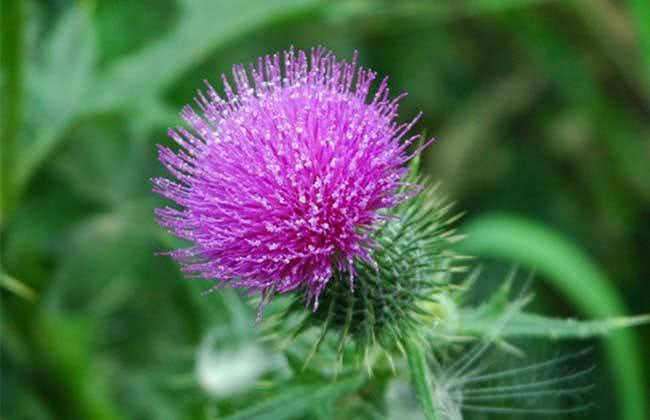
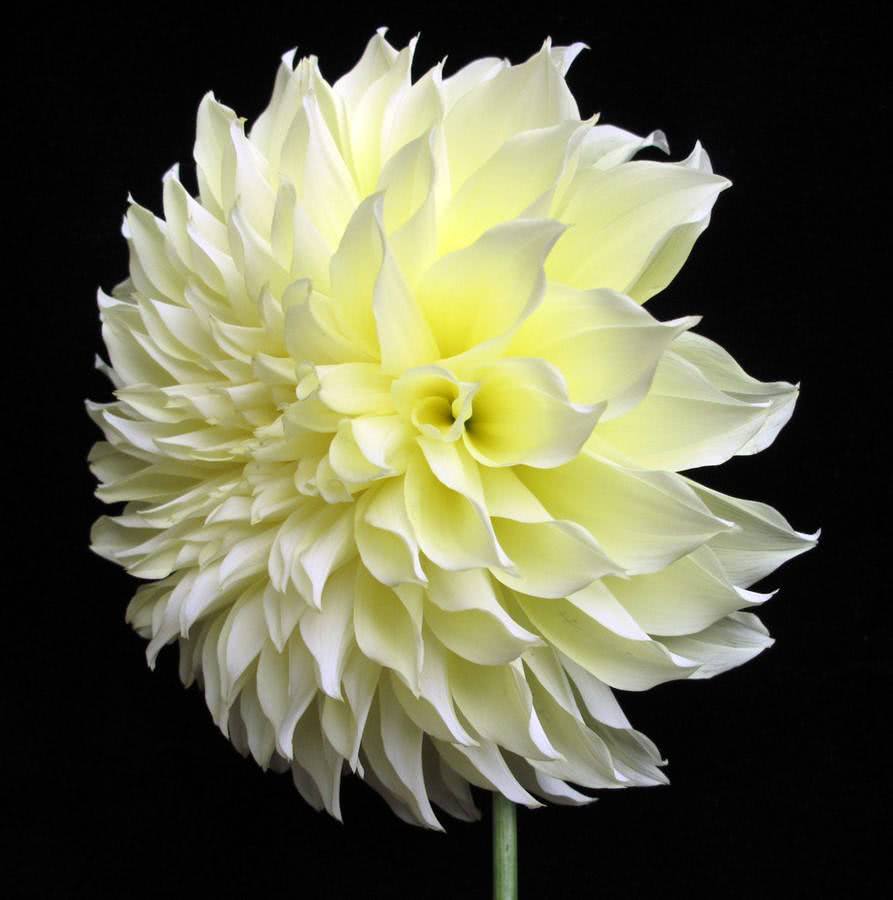
National flowers around the world are rich in variety and each has its own distinctive character. Mexico's national flower is the dahlia, with full blooms and vivid colors; Scotland's national flower is the thistle, a spiny plant regarded as a symbol of unyielding resilience. In addition, the Netherlands' tulip, Japan's cherry blossom, and India's lotus are also well-known representative national flowers.
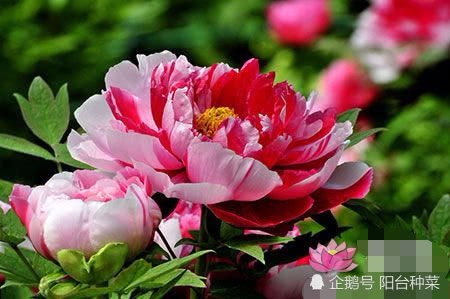
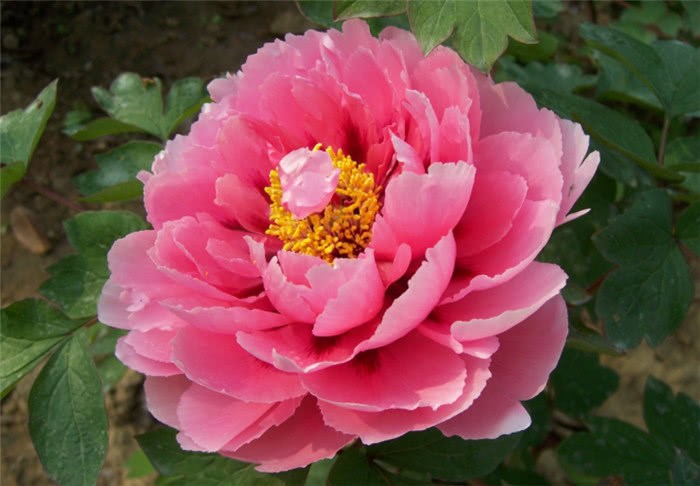
As for China's national flower, there is currently no formal legal designation, but the peony, with its large, brightly colored blooms and its association with prosperity and good fortune, has long been regarded among the public as the representative national flower and enjoys strong support. Traditional famous flowers such as the plum blossom, chrysanthemum, and orchid are likewise deeply loved, symbolizing different qualities such as purity and resilience.
A national flower is not just a plant; it is also a window into understanding a country's culture. For flower-growing enthusiasts, cultivating these flowers also allows them to experience the local customs of different countries. Many national flower varieties have high ornamental value and good adaptability, making them worthwhile choices for home gardening, whether planted in the ground in a courtyard or grown in pots on a balcony.
Related Reading