How to Handle Hyacinths After Blooming So They Flower Again Next Year
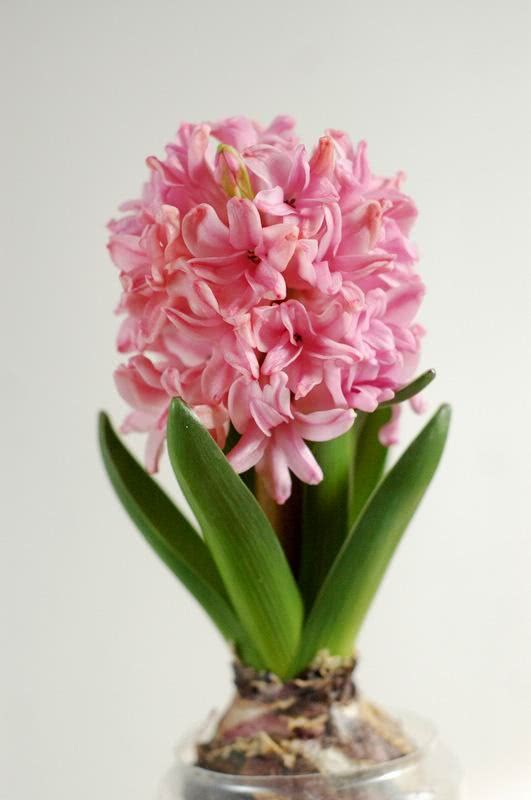
Hyacinth is a common bulb flower. After blooming in spring, the above-ground parts gradually wither, and the plant enters the bulb-building and dormant stage. Many people think they can just throw it away after it finishes blooming, but in fact, as long as you handle it properly after flowering, build up the bulb well and store it well, there is still hope it will bloom again next year.
The first step after the flowers fade is to promptly cut off the withered flower scape, to avoid seed formation needlessly consuming nutrients and to let the nutrients flow back into the bulb. Do not rush to cut off the leaves; keep the green leaves to continue photosynthesis, and care for the plant normally in a spot with plenty of light, watering when the soil is dry and letting it dry out between waterings, until the leaves naturally turn yellow and wither. This stage is the key to rejuvenating the bulb.
Once the leaves have completely turned yellow and withered, bulbs grown in soil can be dug up, cleaned of soil and dead leaves, and left to dry and be stored in a cool, dry, well-ventilated place, to prevent rot from high heat and humidity. You can also leave it dormant in its original pot and soil, handling it as little as possible, but in regions that are muggy, hot and humid in summer, lifting and storing the bulbs is usually safer.
Hydroponically grown hyacinths consume a lot of nutrients while blooming. After flowering, they can be moved to soil to build up the bulb, or the bulbs can be lifted and stored the same way. When autumn comes and the weather turns cool, replant them. If the bulbs can go through a period of cold treatment before planting, it is even better for flower bud differentiation. Note that flowers in the second bloom tend to be a bit smaller than in the first year, so you need to patiently build up the bulb for a year or two before its condition gradually recovers.
Related Reading