Succulents tend to rot at the roots when there is a lot of rain in spring. Here is how to handle it correctly.
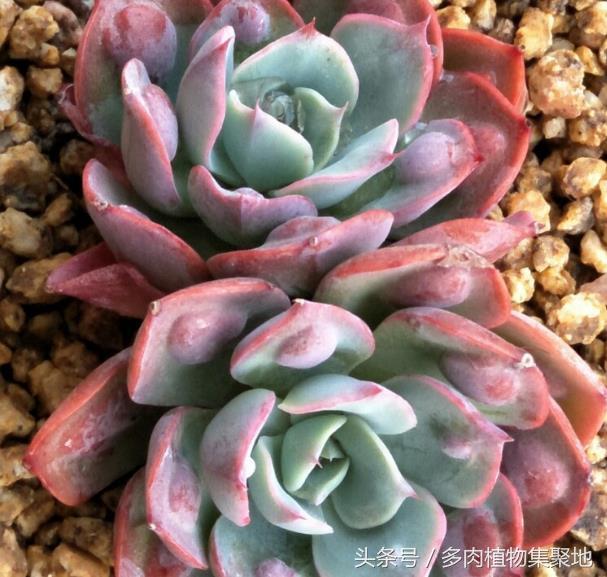
Spring is the most important season for succulents. The best time to grow them plump and strong is right now, so check every succulent in your home. If you find ones that have not grown for a long time, are in poor condition, or have not recovered from winter frost damage, dig them all out, wash the roots, and replant them. At this point, do not worry about the bright red color of the Sedum varieties; growing them plump and healthy is what matters most.
Spring temperatures are relatively suitable for succulent growth, but it often rains, especially recently. Outdoor-grown succulents often get rained on. Although spring rain is not heavy, if they are rained on for a long time, the soil stays moist, and succulents are still very prone to root rot. If you want to keep succulents from rotting at the roots, here is what we can do.
Coal cinders are a great material for growing succulents. They not only improve soil aeration but also contain many nutrients that supplement the succulents. So when repotting succulents, you can add some in. If outdoor-grown succulents will be exposed to long periods of rain, the granular soil in the mix should make up at least 80 percent or more.
Some gardening friends have asked: what should you do if a succulent rots at the roots? Is it because of too much water? It is usually from overwatering, and also whether the soil is just plain garden soil with no aeration. There are many reasons. If the soil is airy, excess water will drain away and will not waterlog the plant. In summer, succulents cannot be watered too much. My succulents are watered only once every more than half a month, and I use the soaking method, without putting water on the plant itself.
Too much water and fertilizer can both cause root rot. Use Hushu Jiangjun together with Genshitong capsules to drench the roots, effectively preventing and controlling rot disease. When a succulent develops root rot, you can pull it out, wash the roots, and cut off all the moldy parts. Step two: apply carbendazim to the wounds and moldy areas, then let them dry for about three days. Step three: re-root the treated succulent. You can let it sit at the mouth of a bottle with water below but not touching the roots to encourage rooting; you can also replant it in granular soil, such as akadama and kanuma soil.
Step four: place the planted succulent, or the one sitting at the bottle mouth, indoors in a spot with plenty of light, but not in direct harsh sun, and make sure there is good ventilation. Right after planting, do not water immediately; wait until it has rooted and gradually stabilized, then water. Next, just observe carefully. If nothing goes wrong, it will re-root and grow in about one to three weeks. After rooting, do not rush to water. Succulents all follow the principle of watering thoroughly only after the soil has dried out completely; they will not die of dryness. Make sure the soil drains well.
When growing succulents outdoors, we need to consider many factors. After repotting, succulents should adjust indoors first and then be moved outside gradually. Right after being placed outdoors, try to avoid rain. Wait until the succulents have adapted to the outdoor environment and can grow normally before letting them get rained on, and provide timely rain cover when it rains.
This is a gathering place for succulent lovers, sharing succulent care tips. You are welcome to follow and join the discussion.