Why is Gardenia so hard to grow and always gets yellow leaves? Teach you how to avoid and deal with it
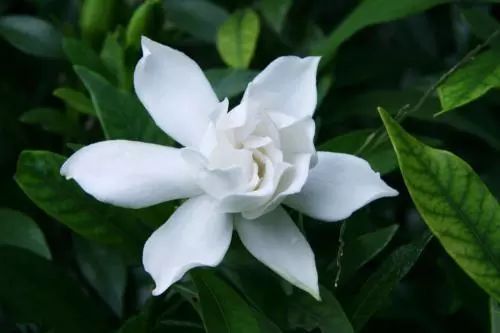
Gardenia, with its rich fragrance and elegant pale flowers, is a favorite in many homes, but it is not easy to grow, often dropping leaves and developing yellow leaves, and people do not know the reason. Today let's talk about it!
1. Likes moisture and plenty of sun
Gardenia loves light and can also grow in semi-shade for a long time, but it needs to maintain 60% light all day to meet its growth needs.
2. Choose acidic potting soil
The suitable pH is 5 to 6. For the growing medium you can choose leaf mold, peat soil, or composted sawdust plus half garden soil. Do not use old wall soil or coal cinders.
3. Water frequently
Water as soon as the surface of the potting soil looks dry, and in the evening you can use a spray bottle to sprinkle water on the leaves. For plants that grow too vigorously with longer internodes, do not water in the evening; water again after the sun comes up in the morning.
4. Fertilize frequently
You can add 3% decomposed cake fertilizer to the growing medium as a base fertilizer. During the growing season, use alum fertilizer water made by composting cake fertilizer with ferrous sulfate once a week, and at the bud stage apply 1 to 2 times a 0.1% potassium dihydrogen phosphate water solution. Stop fertilizing during the hottest summer period when the temperature is above 35°C and in autumn when it is below 15°C.
5. Repot and change the soil at the right time
For home potted plants, when the crown width reaches about 28 cm, change the potting soil. If repotting, plant it into the new pot together with the root ball. It is best to change the soil in March of spring.
6. Prune appropriately
According to the tree shape, choose and keep three main branches, and at any time cut off other branches sprouting from root suckers. Remember that gardenia must not be cut back at the branch tips in spring, otherwise it will not bloom that year.
7. A good winter dormancy
After the severe winter in the north, gardenia roots will be damaged and only recover in spring. So wrap the potted flower pot well with foam plastic and other insulating materials to protect the root system, and place it in a wind-sheltered, sunny spot to overwinter; then it will recover quickly in spring and bloom early.
Yellowing of gardenia leaves is fairly common and is caused by many reasons, so different measures must be taken for prevention and control.
8. Iron deficiency
When iron is deficient, the tissue between the veins of young leaves loses green and turns yellow. In severe cases, the leaves of the whole plant turn yellow, and even scorched leaves and withered branches appear, and finally the plant dies. For this situation, spray a 0.2%-0.5% ferrous sulfate water solution for prevention and control.
9. Magnesium deficiency
Chlorosis caused by magnesium deficiency starts from the old leaves and gradually develops toward the new leaves; the veins remain green, and in severe cases the leaves fall off and the plant dies. For this situation, spray 0.7%-0.8% boron-magnesium fertilizer for prevention and control. Excessive watering, freezing, and so on can also cause yellow leaves, so special attention must be paid during care.