Hibiscus: How to Grow It and an Introduction to Common Varieties
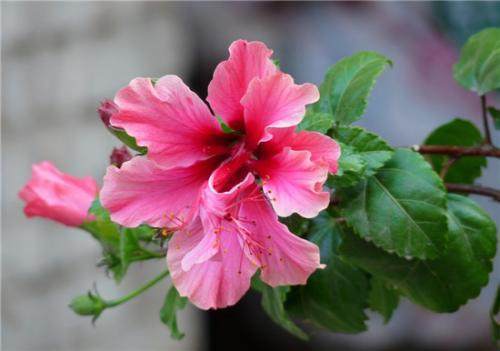
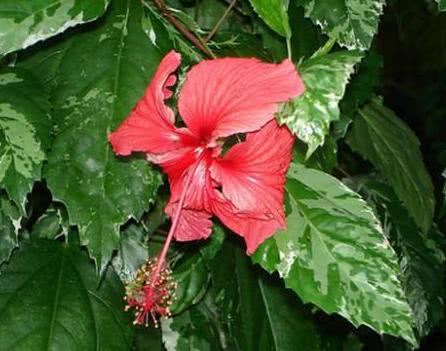
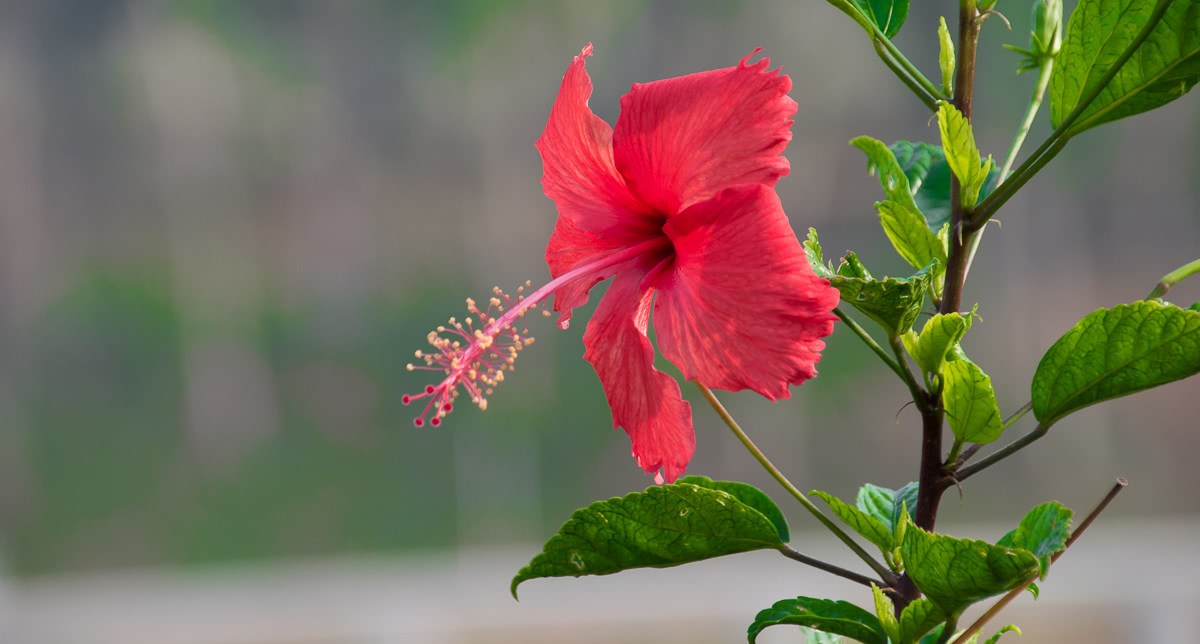
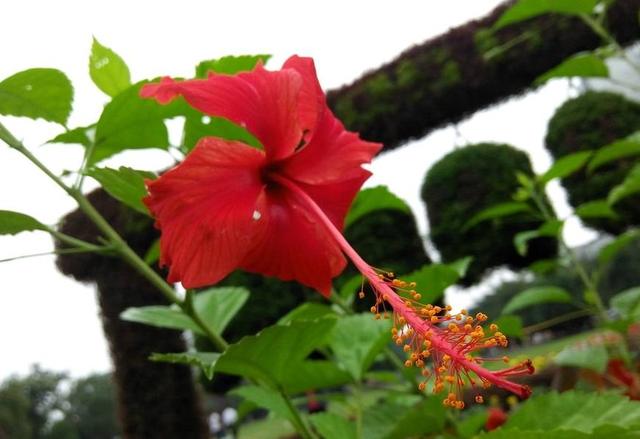
Hibiscus, also known as Chinese hibiscus or rose of China (Hibiscus rosa-sinensis), is an evergreen shrub in the mallow family (Malvaceae) and the genus Hibiscus. It is native to southern China and tropical regions. Its flowers are large and brightly colored, commonly in red, pink, orange-yellow and other shades, and as long as temperatures are suitable it can bloom almost year-round, making it a very popular ornamental flower for balconies and courtyards.
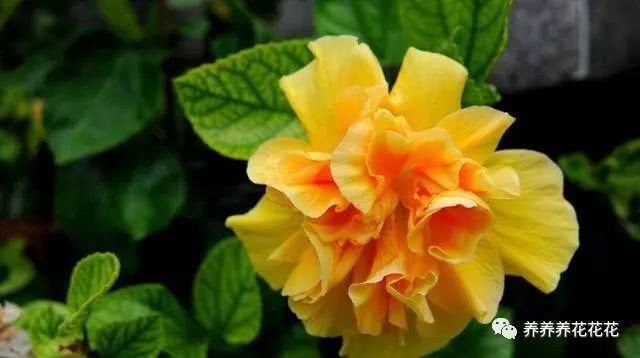
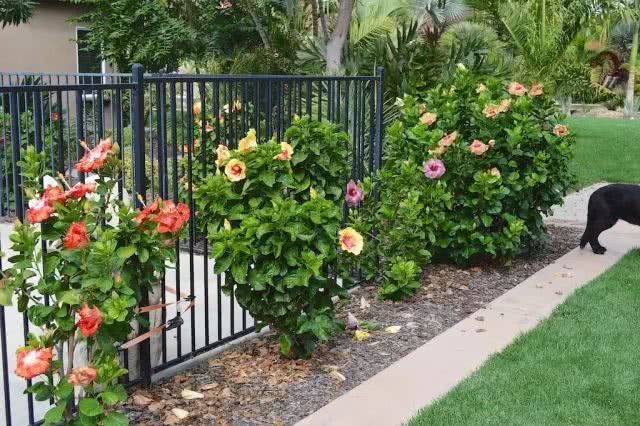
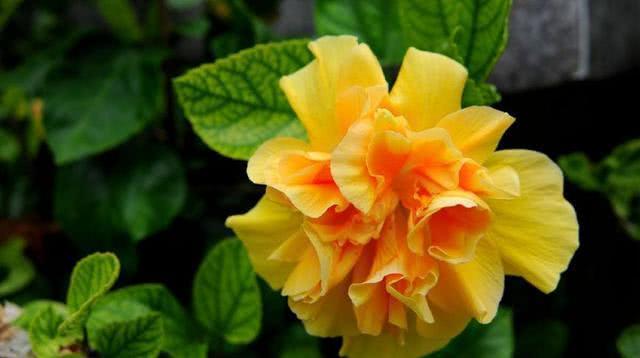
There are quite a few hibiscus varieties. Besides the common single-petaled types, there are also double-petaled varieties with layer upon layer of petals that are even more ornamental. In terms of flower color, there is a wide choice including bright red, pink, yellow and bicolor, and each variety has its own characteristics, so you can pick a plant to suit your preferences and the space where you plan to place it.
As for care, hibiscus likes a sunny, warm and humid environment. The more light it gets, the more it blooms; long periods of shade tend to produce only leaves and no flowers. Keep the potting soil moist but not waterlogged, and during the growing season supplement appropriately with phosphorus and potassium fertilizer, which helps flower bud differentiation. It is not cold-tolerant, so in winter take care to keep it warm and avoid direct cold drafts.
For propagation, cuttings are mostly used: select healthy semi-lignified branches and insert them into sandy soil, keeping them humid and warm; once they have rooted and survived, they can be potted up. In day-to-day care, if problems such as yellowing leaves or dropped buds appear, they are usually related to improper watering, insufficient light or unsuitable temperatures, and generally the plant will gradually recover once the environment is adjusted in time.
Related Reading