What to do when hibiscus leaves turn yellow? Find the right cause and you can also promote flowering
Hibiscus is a tropical plant, and those of you growing it in the north may run into yellow leaves. That said, there are many causes of yellow leaves. Besides an unsuitable environment, there are other reasons too, such as: too much or too little water, damage from pests, excess or lack of nutrients, the quality of the growing medium, and so on. If these are not dealt with in time, they will not only affect the plant's appearance but also its flowering rate. Today let's track down the causes of yellow leaves. What should you do about yellow leaves on hibiscus? Only by finding the right cause can you promote flowering!
Hibiscus actually loves water. If, when caring for your hibiscus, you give it far less water than it needs daily, it will show signs of drought-induced yellowing. When the soil is loose, you should keep the potting soil moist on a regular basis. If the potting soil dries out and water is not given in time, the hibiscus plant will wilt, and only a thorough watering will relieve it. If watering is not done in time, the plant will drop a large number of leaves after wilting, so remember to water when the potting soil is slightly dry, and keep the ambient humidity well maintained too.
The best growing environment for hibiscus year-round is around the teens in degrees Celsius. With sufficient light, it will keep blooming, making it one of the more common and ordinary flowering plants in the home. During care, besides water, you should also add pot fertilizer and foliar fertilizer a few times at intervals. Applying fertilizer helps the plant grow evenly, and in a well-ventilated environment, foliar fertilizer should be sprayed in the morning.
As a tropical flower, hibiscus likes to grow in an acidic medium. If the medium leans too alkaline, it can easily cause the leaves of the hibiscus plant to turn yellow. To keep the medium acidic, you can occasionally pour some adjusting solution into the potting soil. Naturally, you should also always pay attention to the condition of the soil. If the soil becomes clumped, it is time to loosen the potting soil. If the potting soil has been used for many years, then it is not just a matter of loosening the soil; you had best consider repotting with fresh soil.
If you find the leaves of your hibiscus turning yellow, check whether pests are present on the leaves or branches. Common pests on hibiscus plants include aphids and red spider mites. A humid, stuffy environment is extremely likely to attract pests. They like to hide on the undersides of leaves, sucking the sap inside the leaves, and they are not easy to spot. Sneaky, aren't they? However, a simple insecticidal spray can rescue your hibiscus.
When you find yellow leaves on your hibiscus plant, do not feel bad about it; just use sterilized scissors to cut them off along with the rest. Do not keep any diseased branches or leaves, and try as much as possible to prevent the spread of disease, so that the hibiscus plant can grow quickly. If you want to increase the flowering rate of your hibiscus, you can cut off some of the weaker branches, and the plant will grow more branches and leaves. Only in a vigorous state of growth can it produce more flowers.
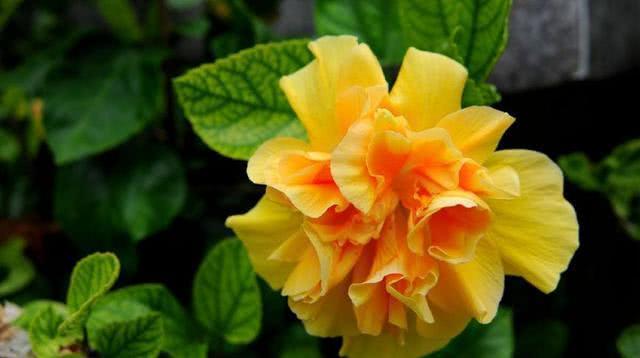
Many people grow hibiscus in their yard or on their balcony. Double-petaled hibiscus is very beautiful, with extremely gorgeous flowers and equally charming colors. If yellow leaves affect the blooming of the flowers, wouldn't that be a real loss? You have grown such a beautiful pot of flowers, yet you may never get to see it bloom, so what can you do? Surely by now you know. Remember, caring for hibiscus definitely requires patience, and doing the environmental cleaning work regularly is very important.