The function and correct use of carbendazim, a commonly used fungicide for home gardening
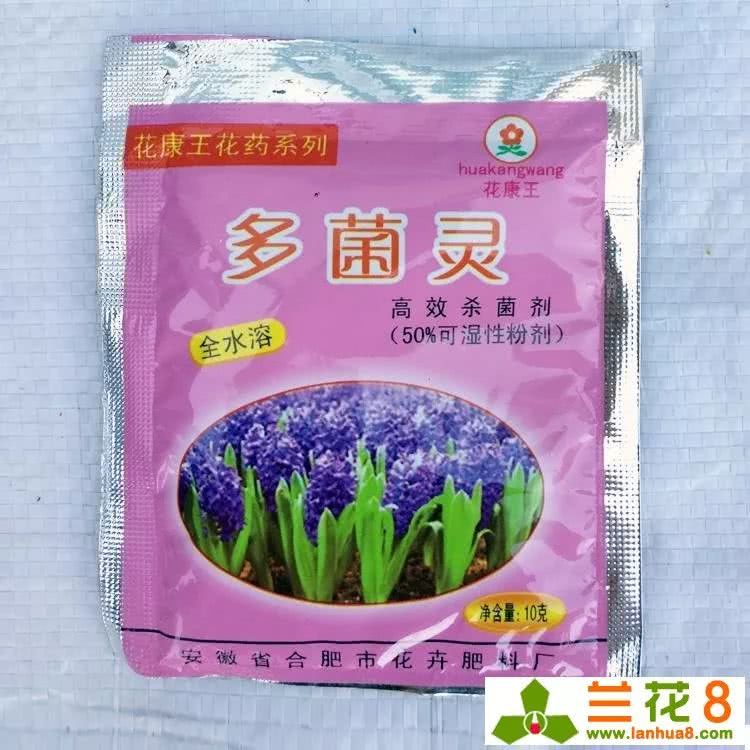
Carbendazim is a highly effective, low-toxicity, broad-spectrum fungicide with systemic translocation properties: it can be absorbed by plants and transported within them, providing both preventive and curative effects against diseases caused by many kinds of fungi. It is very widely used in agricultural production and home gardening, and is one of the pesticides commonly used by gardening enthusiasts.
Carbendazim is mainly used to control fungal diseases such as powdery mildew, anthracnose, leaf spot, root rot and black spot; its effect on bacterial diseases and insect pests is limited. The ways of using it are fairly flexible: it can be diluted with water and sprayed, and it can also be used for seed dressing, root drenching or soaking bulbs. It is often used on orchids, succulents, Chinese roses (Rosa chinensis), gardenias (Gardenia jasminoides) and other flowers when repotting or when disease occurs.
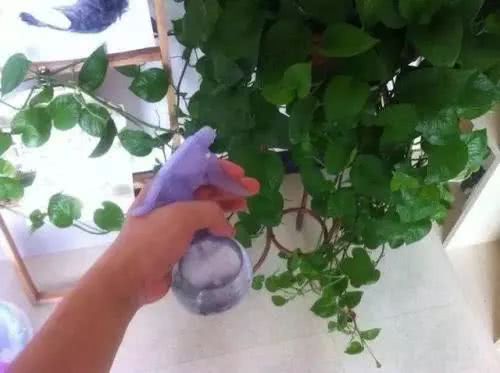
When using it, you should dilute it to a suitable concentration according to the instructions; too high a concentration easily causes phytotoxicity, while too low a concentration fails to achieve the control effect. Spraying should preferably be done in the morning or evening, avoiding the high-temperature period. It should be noted that carbendazim is a fungicide rather than an insecticide, so when insect pests appear on plants, the corresponding insecticide should be chosen instead of spraying blindly.
Long-term single use of carbendazim easily leads to fungicide resistance in pathogens, so it is recommended to alternate it with fungicides that have a different mode of action, such as chlorothalonil, for a more ideal disease-prevention effect. For daily storage, keep it in a cool, dry place, away from children and food; take personal protective measures when applying it, and dispose of leftover liquid properly rather than pouring it out at will.
Related reading