How to use carbendazim on flowers and plants? Master the method and your plants won't get sick
Xiao Qi
Shows you step by step how to grow flowers
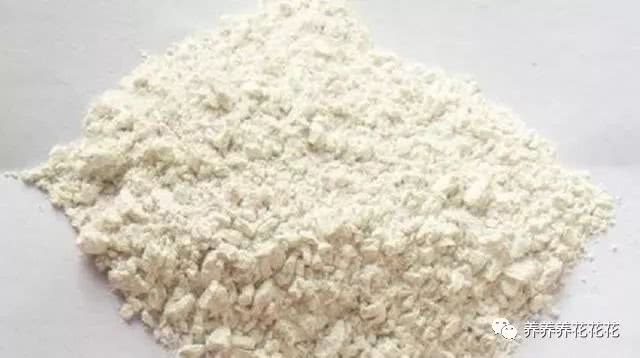
How should carbendazim be used - sprayed on the leaves or poured on the roots? Mastering how to use it is very important; sometimes plants stay disease-free entirely thanks to it! First, let's talk about what carbendazim does. Its main function is to prevent the growth of bacteria, that is, it is used for sterilization and disinfection, mainly for prevention in advance.
If indoor ventilation is very poor, some plants must be sprayed with water every day to maintain air humidity. When air humidity is too high and moisture stays on the leaves for a long time, it easily causes leaf rot and similar problems. At this point we should regularly spray carbendazim diluted with water about twice a month, which can effectively prevent the leaves from rotting.
Especially in winter. When the temperature is too low, plants do not grow, and some plants cannot go without water for long periods. If you water them at this time they do not grow; if the indoor temperature is low in winter and ventilation is poor, and the potting soil is not breathable and stays wet and waterlogged for a long time, it will cause the plant's root system to rot. Once the roots rot, the whole plant dies. We should water with carbendazim diluted in water in advance, which can effectively prevent the potting soil from staying wet for a long time, causing bacteria to grow and leading to root rot.
The previous two examples are enough to show whether carbendazim is for watering roots or spraying leaves - using the medicine in the right place is best. Carbendazim is also commonly used to soak seeds and bulbs; before sowing, soak them in carbendazim. This can protect the seeds from soil bacteria during the period before they germinate, making them less likely to mold and rot and fail to germinate. It can increase the seed germination rate. In autumn, when we sow bulb-type flowers. After receiving them, to prevent bacteria from growing, we also soak the bulbs in carbendazim. This prevents them from rotting invisibly after being planted in the soil and causing the whole plant to die.
When a plant has severe root rot, after cleaning the wound, apply carbendazim to large wounds or soak them in carbendazim, which can prevent the wound from becoming infected, worsening or rotting further. For beheading succulents, applying it to the wound prevents bacterial infection of the wound - there are many uses, a household must-have.
Having said so much, carbendazim's main function is prevention. Similar products include thiophanate-methyl and mancozeb; these two chemicals can effectively prevent and control leaf spot disease and root rot. If a plant develops leaf spots, leaf rot, or root rot. As long as it is not very serious, you can absolutely use thiophanate-methyl or mancozeb, diluted with water, to water and spray the leaves, and it will effectively prevent and control the problem. These are also household must-haves, and not expensive. So, carbendazim, a must-have for home flower growing, just pay attention to these points when using it - preventing plant diseases depends entirely on it
If you like growing flowers, followWeChat official account: Yang Yang Yang Hua Hua Hua (hcqzj521)More flower-growing knowledge is waiting for you