Use carbendazim this way to prevent and control yellow leaves and root rot, and your flowers will grow vigorously
Carbendazim is a fairly common low-toxicity fungicide, used to prevent fungal infections that plants develop during care
For example, when we grow flowers indoors with poor air circulation, if we water too much or spray too much water, the moisture does not evaporate quickly, the roots are easily soaked in moist soil, and it is very easy for fungi to breed and cause root rot. At this time, we can water with a carbendazim solution once a month to prevent infection
Generally, the ratio we use is 1:800 or 1:1000
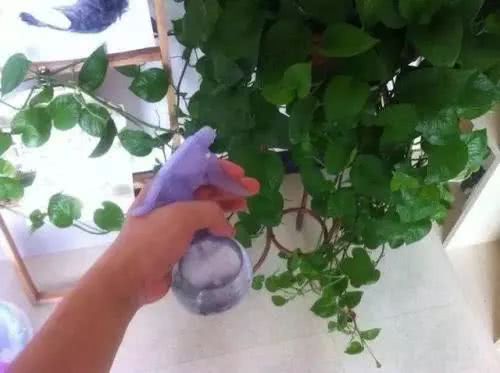
If the circulation in our company's indoor space is poor and we often spray water on the flowers, the moisture does not evaporate quickly, and long-term adhesion to the leaves can easily cause rotten leaves or leaf spot disease. We can spray the flowers with a carbendazim solution once every month to prevent
When we buy flowers at a flower shop, we often find obvious spray spots on the leaves. This is the flower shop using carbendazim, because the air circulation in the flower shop is also poor, and they also need to use carbendazim to prevent rotten leaves and leaf spot disease
But ordinarily a carbendazim solution only plays a preventive role. If our roots have root rot or the leaves have rot, then spraying it for treatment has very little effect. We can use thiophanate-methyl or mancozeb to drench the soil, which can play a therapeutic role
Ordinarily, when we use it for cuttings or transplanting, transplanting with root rot, or pruning, we can soak the roots in or apply a carbendazim solution to the wounds to prevent wound infection
Overall, carbendazim is a low-toxicity fungicide used to prevent fungal infection and prevent leaf spot disease, root rot and rotten leaves. Generally, it is best to keep it on hand at home when growing flowers