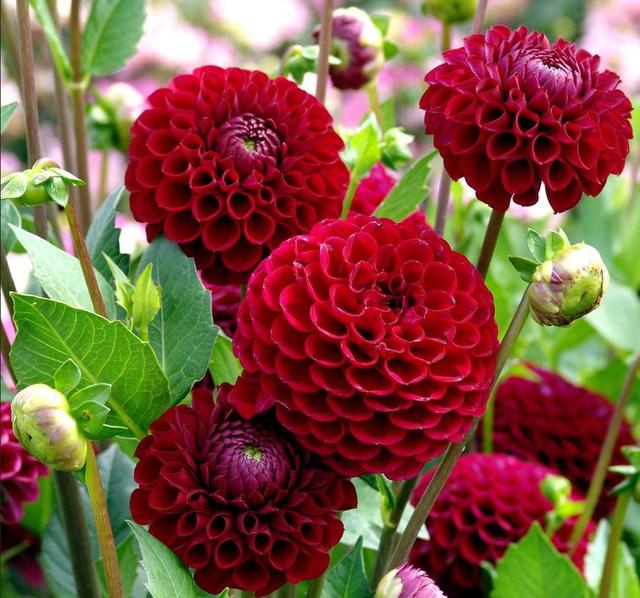
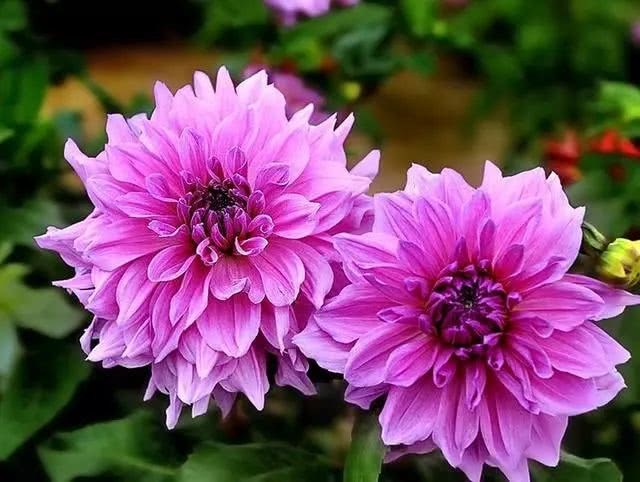
Dahlia is the national flower of Mexico, and with its large, brightly colored blooms it can even be grown well as a potted plant on a balcony
Dahlia is a perennial herbaceous plant of the genus Dahlia in the family Asteraceae, native to the Mexican plateau and also the national flower of Mexico. Its flowers are huge and its colors rich, and its plant height varies, making it one of the world's best-known ornamental flowers; among gardeners it is also commonly called dali flower or tianzhu peony.
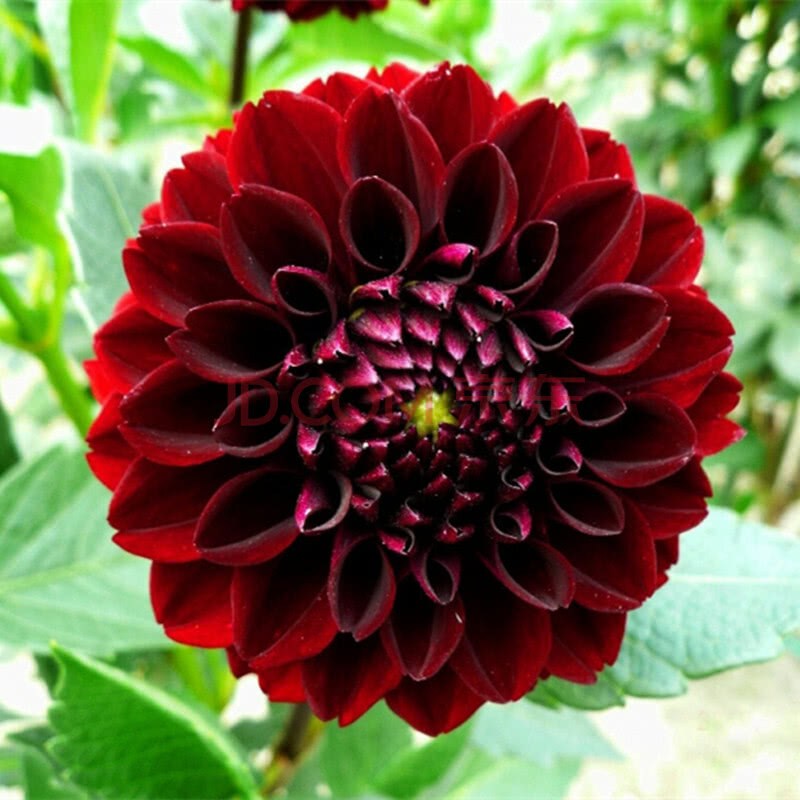
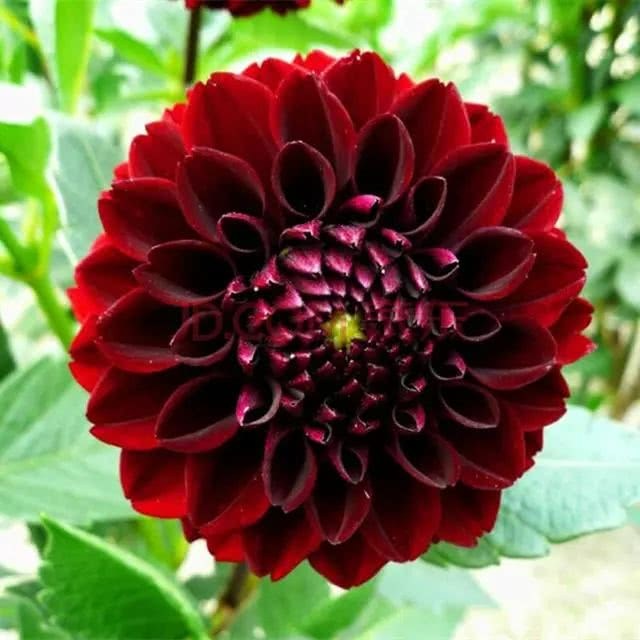
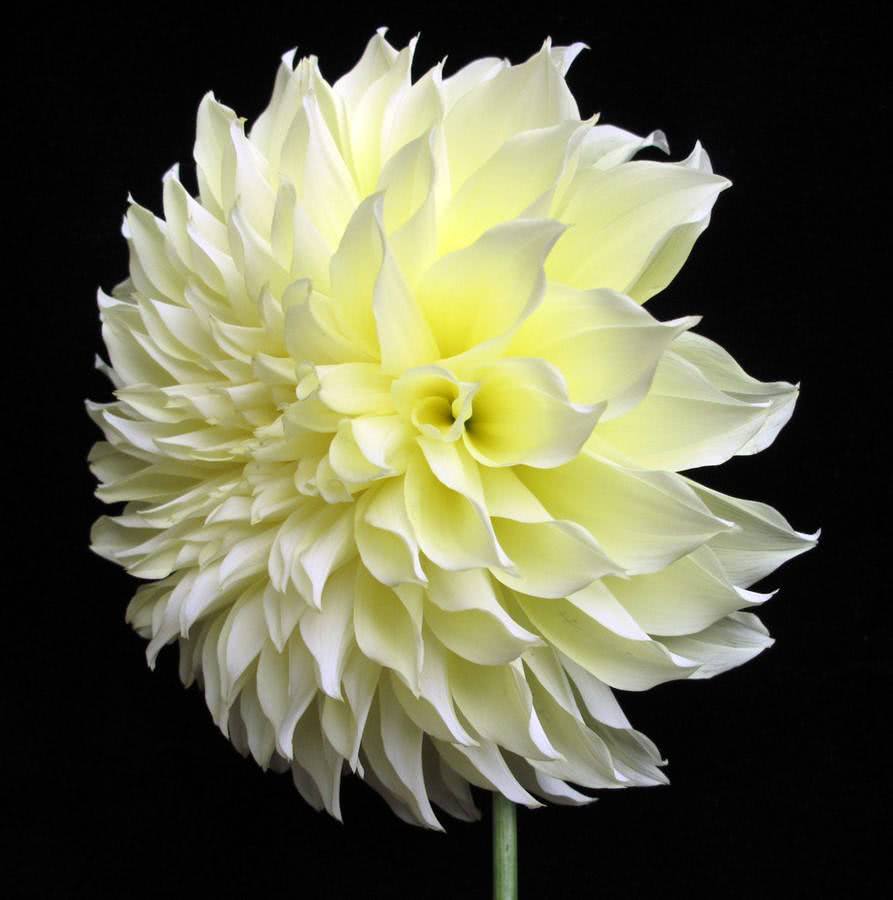
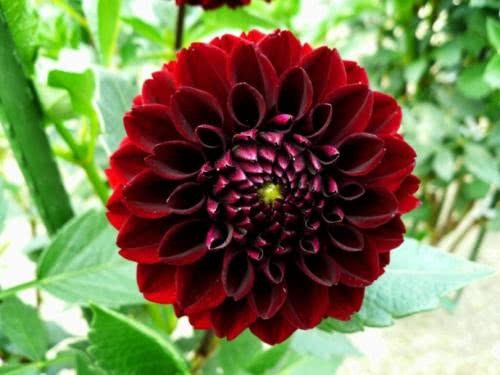
Dahlias come in a great many varieties. By flower form they can be divided into single, double, ball, and cactus types, among others, and their colors cover red, yellow, pink, purple, white, and many bicolors. Plant height also varies quite a bit: dwarf varieties suit balcony containers, while tall varieties are often used for courtyard planting or grown as cut flowers.
For care, dahlias like a sunny, cool, and airy environment, and are best planted in loose, fertile, well-drained sandy soil. Water by the rule of letting the soil dry before watering again, and never let the potting soil stay waterlogged, which causes root rot. In the high heat of summer the plant easily enters a semi-dormant state; at this time provide shade and ventilation, reduce watering, and stop fertilizing to avoid root rot and outbreaks of pests and disease. Its tuberous roots are not cold-hardy, so in cold regions the tubers must be dug up before frost, stored in a dry, cool place, and replanted the following spring.
Dahlias have large, brightly colored flowers and a long bloom period, opening in succession from summer into autumn. They are suitable for flower beds and borders as well as for balcony containers, and cut stems last quite a long time in a vase. Tall varieties carry heavy flower heads that easily topple in wind and rain, so stakes can be set up in advance to hold the whole plant neat and attractive.
Related Reading