Care for dahlias this way, and they will bloom profusely every year, making your balcony a breathtaking sight
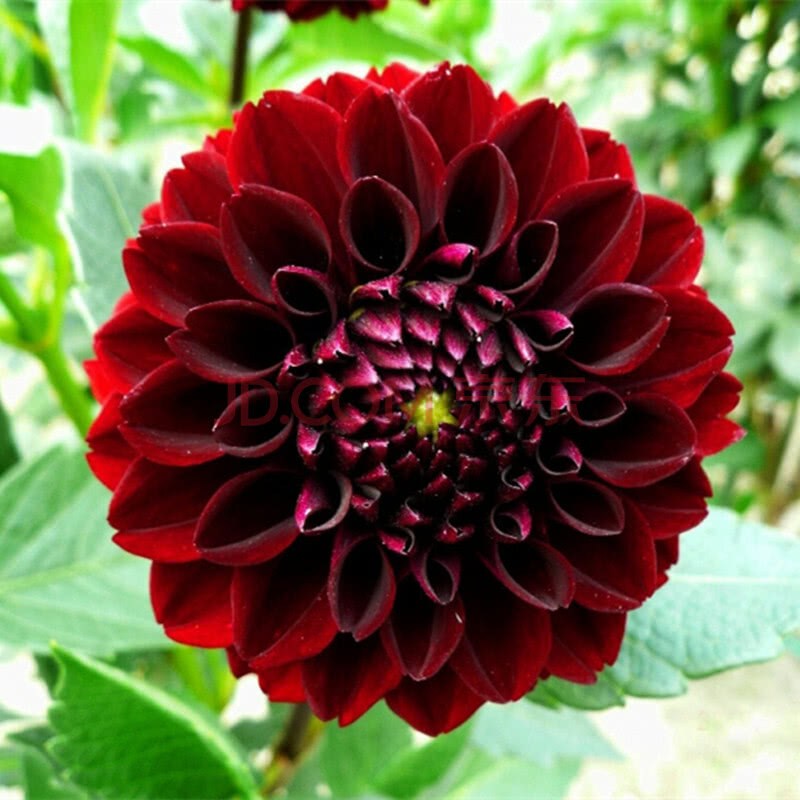
Dahlia flowers are extremely beautiful and huge, unforgettable at a single glance, but how should we normally care for such huge and beautiful flowers?
The dahlia's flowering period runs from May to mid-November. With a long flowering period, large blooms, and many flowers, it generally needs more nutrients, and even into the cool September, it blooms even more brilliantly. Because the dahlia is a perennial flower, as long as temperature and humidity are suitable it can even bloom year-round, which shows its nutrient needs are relatively high.
If dahlias are grown in a courtyard, it is not recommended to cut off spent flowers. Because in the yard, insects such as bees and butterflies will pollinate them, so after the flowers fade, many seeds will form. Once the seeds mature, collect them and you can continue sowing them the following year; the plants will bloom that same year, creating a brilliantly colorful scene that is very beautiful.
Watering
Because it has underground tubers, be careful not to water too much, to prevent waterlogging from rotting the tubers and causing the plant's death. Generally, just follow the watering principle of "water when dry, dry out between waterings."
Fertilizing
Before flowering, apply more phosphorus and potassium fertilizer. It is recommended to use monopotassium phosphate directly as fertilizer, diluted at a ratio of 1:1000, and water it once every half month; applying it two to three times is enough. This can promote flower bud differentiation, and the flower color, flower size, flowering period, and number of flowers will all be greatly improved.
Soil
Dahlias are suited to fertile, loose, sandy soil. They should not be exposed to too much sun, as this will affect flowering. When temperatures are low, they can receive more sunlight.