What Is the White Powder? Differences Between Natural Wax Powder and Powdery Mildew, and How to Treat Them
In gardening and agricultural contexts, white powder generally has two meanings. One refers to the natural white powdery waxy layer on the surface of plant leaves and fruits, often called bloom or wax powder; the other is the common name for powdery mildew, a disease caused by infection with powdery mildew fungi, in which the affected parts become covered with a white mold layer resembling flour.
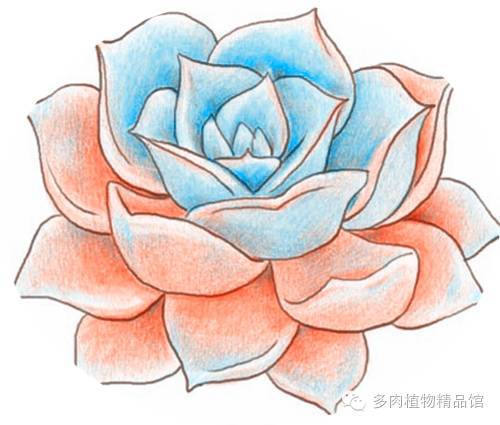
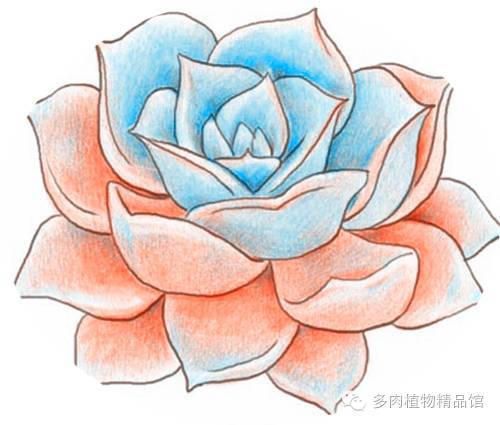
Natural white powder appears mostly on succulents and on the surface of fruits such as grapes and plums. It is a protective substance secreted by the plant itself, able to reduce water evaporation and resist strong light and some pests and diseases. Once this powder is rubbed off by fingers or washed away by rain, it is generally difficult for it to fully regenerate, so when caring for succulents with bloom, try to touch the leaves as little as possible, and take care to avoid the powdery layer when watering.
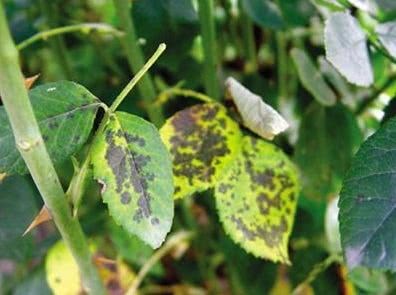
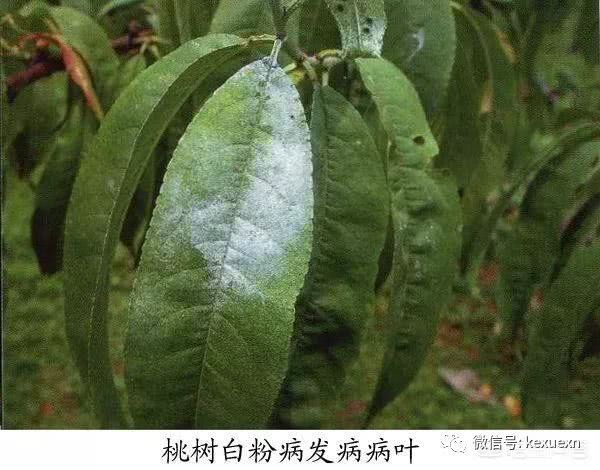
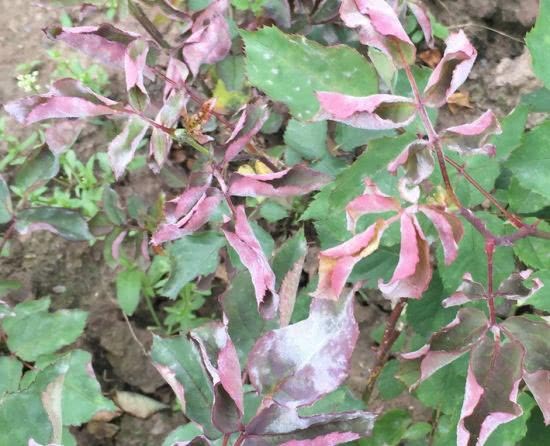
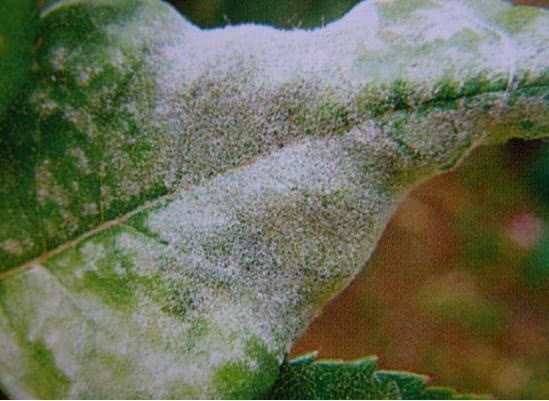
Powdery mildew, by contrast, is a common fungal disease, and many crops such as roses, nectarines and cucumbers are easily infected. In the early stage of the disease, scattered small white powdery spots appear on the leaves, then gradually expand and merge into patches. In severe cases, the leaves curl and turn yellow, affecting photosynthesis and plant growth. It mostly occurs in environments with poor ventilation, large humidity fluctuations or excessive nitrogen fertilizer.
Telling the two apart is not difficult. Natural white powder is evenly distributed and fine in texture, and the plant remains normal after it is wiped off; powdery mildew, however, appears as mottled mold-like growth, often accompanied by leaf deformation and weakened growth. Once it is confirmed to be a disease, diseased leaves should be removed promptly, ventilation and light conditions improved, and then spraying with baking soda water or a dedicated fungicide can bring most cases under effective control.
Related Reading