How to prevent and treat powdery mildew on roses? These methods are very effective
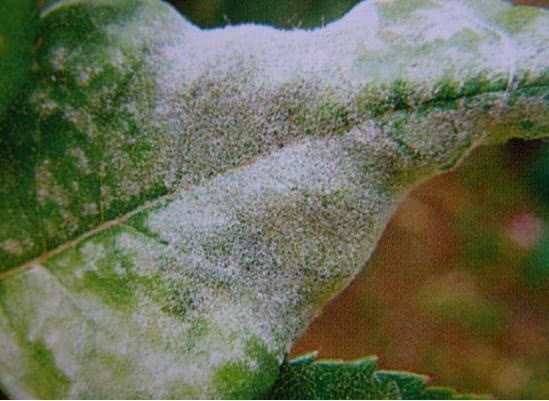
Powdery mildew is a highly common disease of roses. According to incomplete statistics, the incidence of powdery mildew on roses is as high as over 50%, which is obviously a shocking figure, meaning that on average half of all roses will contract powdery mildew. Buying a perfectly healthy pot of roses only to have it come down with a coating of "white powder" is truly a very frustrating thing.
When a rose contracts powdery mildew, you will see a layer of white powder-like substance covering the leaves, flower buds, and even the pedicels and branches. Unfortunately, this is not something that makes the rose more attractive, but rather a pathogen that causes disease in the rose.
This pathogen often begins to appear in winter, initially inconspicuously, and when the temperature gradually warms in spring, the pathogen begins to multiply in large numbers, and the area of white powder-like substance gradually spreads. If the disease continues into summer, it tends to endanger the entire plant. After a plant is infected, the leaves tend to curl and then drop off, while infected flower buds are unable to bloom.
The main causes of roses contracting powdery mildew are the following: poor ventilation; plants spaced too densely; a warm and humid environment; too much nitrogen fertilizer, causing excessive leaf nutrition. To prevent powdery mildew when growing roses, place the roses in a well-ventilated spot; if placed indoors, be sure to open the windows for air.
If the branches and leaves are too dense, ventilation tends to be poor, which favors the breeding of more bacteria, so timely pruning should be carried out; in winter you can prune some poorly growing branches and leaves. In spring and other weather with high air humidity, take care to keep the branches and leaves dry. When fertilizing, control the amount of nitrogen fertilizer; in spring you can apply more phosphorus and potassium fertilizer, which benefits root growth and thereby enhances resistance.
In spring, carbendazim can be sprayed once every half month for prevention; if the disease has already been contracted, the therapeutic effect of carbendazim is limited. If the disease has already been contracted and it is only a small area, you can prune the infected parts, then use DuPont Fontelis (or alternate with carbendazim) diluted with water at a ratio of 1:1000 and spray the whole plant; the spraying time should preferably be on a sunny afternoon, which is more conducive to sterilization.