Mugwort has diverse benefits and effects, and its everyday uses are highly valuable
Mugwort (Artemisia argyi) is a perennial herb in the genus Artemisia of the Asteraceae family. It grows wild in most parts of China, commonly found along field edges, roadsides and hillsides. Its leaves are pinnately lobed, with grayish-white down covering the underside, and the whole plant has a rich, fresh fragrance. There is a long-standing folk custom of gathering mugwort around the Dragon Boat Festival and hanging it by the door, which makes it an important plant in traditional seasonal culture.
In terms of traditional uses, mugwort leaves are considered warming in nature and are often believed to help dispel cold and dampness; boiling dried mugwort leaves in water for foot soaks is a familiar health practice in many households. Its distinctive odor has a certain repellent effect on mosquitoes and insects, and placing or burning dried mugwort in summer can help reduce mosquito annoyance. In addition, dried mugwort leaves are repeatedly pounded to make moxa floss, which is the main material for moxibustion therapy.
Besides medicinal use, mugwort can also be brought to the table. The tender stems and leaves in spring can be eaten as a wild vegetable after blanching, and in some southern regions the leaves are mashed for their juice and mixed into glutinous rice flour to make traditional treats such as qingtuan and aici, which have a unique flavor with a light, fresh fragrance.
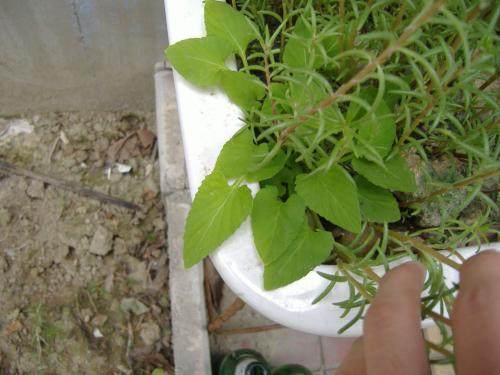
There are also a few points to note when using mugwort. Although mugwort leaves are a common herbal medicine, they are not suitable for everyone; pregnant women or people with sensitive constitutions are best advised to consult a doctor before use. When gathering it in the wild, identify it carefully to avoid confusion with other plants of similar appearance and ensure safe use.
Related Reading