What are the benefits of plantain herb? Read this article and you will know
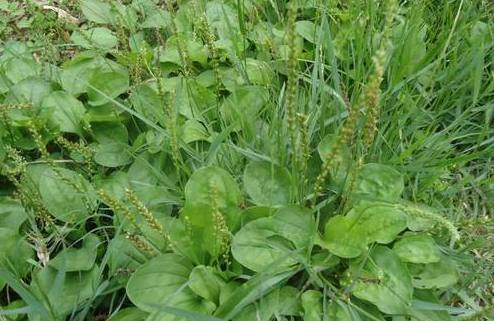
Plantain leaves are highly adaptable and grow widely in China from south to north in grasslands, river beaches, ditch edges, meadows, fields, and roadsides. They can be seen almost everywhere in our lives, and their tender leaves contain carotene, vitamin C, calcium, iron, phosphorus, potassium, as well as citric acid, oxalic acid, and other nutrients. According to many records in traditional Chinese medicine literature, Plantago asiatica is believed to have the effects of promoting water and relieving strangury, clearing the liver and improving vision, clearing heat and detoxifying, and clearing the lungs and resolving phlegm. It mainly treats difficult urination, diarrhea in hot summer weather, red and swollen eyes, and other conditions. Besides medicinal use, Plantago asiatica can also be eaten.
Modern people often use it to assist in treating gout, jaundice, high blood pressure, edema, fatty liver, severe summer heat and dampness, dysentery, epidemic parotitis, chronic bronchitis, pediatric enuresis, diarrhea, acute glomerulonephritis, pyelonephritis, hydronephrosis, and other conditions. It has cough-suppressing, asthma-relieving, and phlegm-resolving effects. Plantago asiatica in treating gout, and its effects on the urinary system: Plantago asiatica has a certain diuretic effect, can increase water excretion in dogs, rabbits, and humans, and increases the excretion of urea, uric acid, and sodium chloride. Cough-suppressing, asthma-relieving, and phlegm-resolving effects: when a decoction of Plantago asiatica was given to cats by gavage at both high and low doses, it significantly raised the threshold of electrical stimulation for inducing cough in cats, and the effect strengthened as the dose increased. Anti-pathogenic microorganism effect: the water infusion of Plantago asiatica shows varying degrees of inhibitory effect in test tubes on Trichophyton concentricum, Microsporum lanosum, Nocardia asteroides, and others.
Effects on the stomach and intestines: when an aqueous extract or infusion of Plantago asiatica was given by gavage at 0.5 g/kg to dogs with Pavlov pouches and gastric disease, it had a bidirectional regulatory effect on gastric juice secretion; it antagonized both excessive gastric juice secretion caused by pilocarpine and reduced gastric juice secretion caused by epinephrine. Plantago asiatica inhibits the working stomach, but has no effect on the resting stomach. Plantago asiatica can also temporarily increase intestinal juice secretion, while having no obvious effect on intestinal movement. Anti-inflammatory effect: when rats took Plantago pectin orally at 0.5 g/kg or 1 g/kg, it had a significant inhibitory effect on inflammatory edema caused by formaldehyde or dextran.
Dry the leaves of Plantago asiatica in the sun, and they can be brewed with water like tea, or a little can be added to hot water each day for foot soaking, both having quite good therapeutic effects. Besides being a very good Chinese medicinal material, Plantago asiatica is also one of the foods with a good taste. The fresh plantain leaves are rich in nutrients and have great dietary therapy value, and can be seen in many dietary therapy recipes, such as: stewed pig bladder with plantain leaves, plantain and amaranth porridge, plantain and small watermelon porridge, plantain and radish porridge, and the fresh tender leaves can also be directly washed and stir-fried. Tonify deficiency and improve vision (when both the liver and kidneys are deficient, with black spots before the eyes, or with eye opacity, and tearing in the wind). Take Plantago seeds and prepared rehmannia (steamed with wine and then roasted over fire) at 3 liang each, and dodder seeds (soaked in wine) at 5 liang, grind together into powder, add refined honey and form into pills the size of wutong seeds. Take 30 pills each time, swallowed with warm wine. Take twice a day; this formula is called "Zhujing Wan."
Plantain herb, that is, plantain weed, is also known as dandao, fuyi, maxi, niuyi, niushe, cheluncao, diyi, hamapi, and laizicao. It is a perennial herbaceous plant. Its stems creep and do not grow tall, with palmate or pinnate compound leaves, and the leaflet surface is toad-skin-like (hence the name), some with 3 or 7 leaflets. Flowers are solitary, with 5 petals, usually yellow. It mostly grows on moist hillsides and wasteland. It is cold in nature and bitter in taste. It has the effects of clearing heat and detoxifying, cooling blood, and stopping dysentery. Plantain herb, whose scientific name is Plantago asiatica, produces seeds called Plantago seeds, which can be used as medicine, are slightly bitter in taste, cool in nature, enter the Lung, Liver, and Stomach meridians, and clear heat and purge fire. The Chinese medicinal herb Plantago asiatica likes moisture and mostly grows in low-lying areas, at field edges and ridges, around houses, and beside roads. Wherever toads are active, Plantago asiatica grows, hence the common name "toad clothing." (The benefits and effects of dandelion, the benefits and effects of Lysimachia christinae)