A detailed explanation of the effects and benefits of Astragalus, recommended to save for future reference
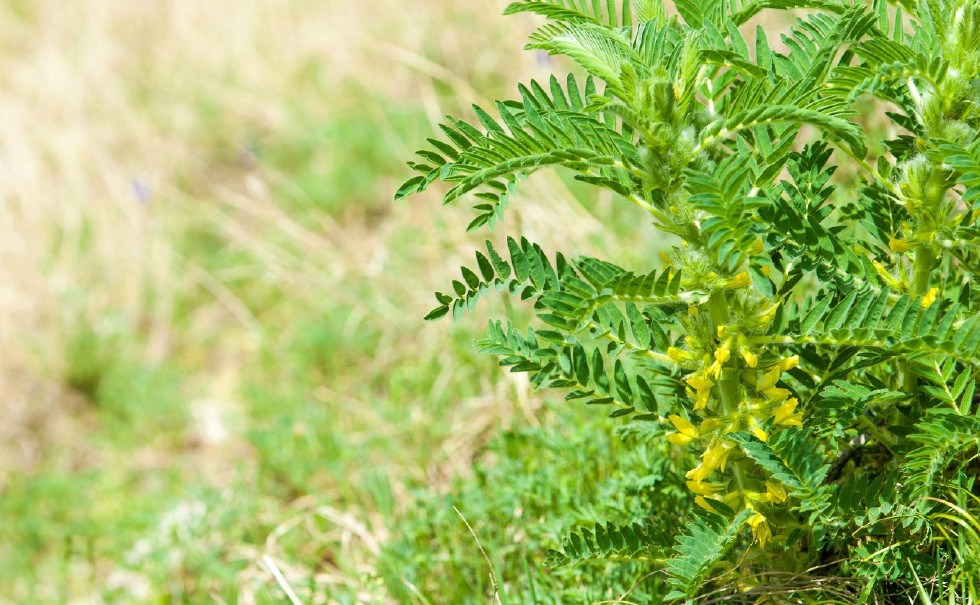
Astragalus and goji berry should be well-known Chinese herbs, but many people are confused about their specific benefits and whether using them together will cause a "conflict."
When selecting Astragalus, choose roots that are thick and long, with a yellow-white cross-section, sweet taste, and a starchy texture. In summer and autumn, dry them frequently in the sun, seal them in packaging, and store them in a ventilated, dry place to prevent moisture and insect damage.
Astragalus, sweet, slightly warm. Enters the spleen and lung meridians. It has the benefits of tonifying qi and raising yang, consolidating the exterior and stopping sweating, promoting pus discharge and tissue regeneration, and promoting urination to reduce swelling. The New Compilation of Materia Medica says: "Its qi is thin but its flavor is rich; it can rise and can descend, and is the yang within yang. It is non-toxic. It specifically tonifies qi."
Goji berry, sweet, neutral. Enters the liver and kidney meridians. Its benefits are tonifying the kidneys and replenishing essence, nourishing the liver and improving eyesight. Goji berry has the function of tonifying the liver and kidneys, and can be used whether there is kidney yin deficiency or kidney yang insufficiency.
Studies have shown that Astragalus can enhance the human body's immune function and also promote hematopoietic function. At the same time, it also has the effects of dilating the coronary arteries and enhancing resistance to free radical damage.