What are the stomach-nourishing benefits of Fuding white tea? Explained clearly in one article
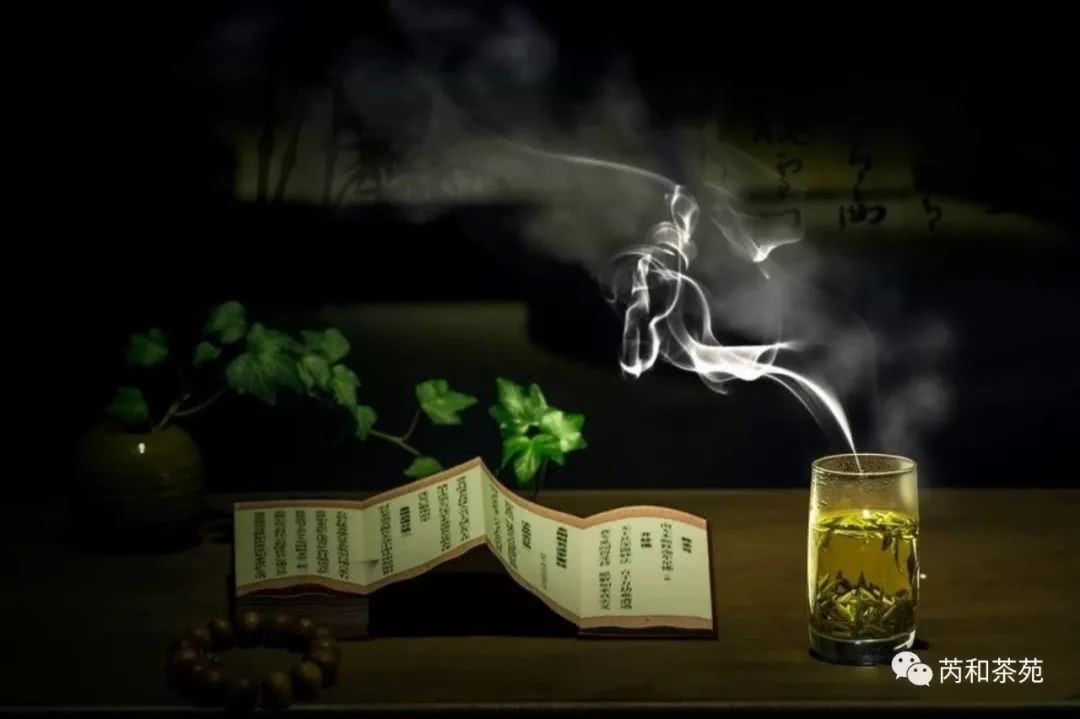
Fuding white tea relies on unique natural conditions and a careful crafting process; it is neither rubbed nor pan-fired, belongs to the lightly fermented teas, and has a cooling nature. But after old white tea ages for a period, its internal substances are transformed and it becomes mellow and gentle. Though it stays silent, time is the best witness. In the past, not many people knew about it, but today it has become a tea that tea drinkers vie for and enthusiastically praise.
The most notable difference between aged old white tea and other tea types is that old white tea can be drunk on an empty stomach. If an appropriate amount of honey is added, the stomach-nourishing effect is even better.
Tea friends often talk about drinking tea for health, and inevitably the conversation turns to harming the stomach versus nourishing it.
So does tea really harm the stomach?
How does drinking it harm the stomach?
Is there a way to drink it that does not harm the stomach?
And how can tea nourish the stomach?
Is white tea's stomach-nourishing reputation reliable?
To figure this out, we first need to understand our stomach carefully, with an objective mindset.
The stomach is a solid bag-like organ located in the upper abdomen below the lungs. The wall of this bag is called the gastric wall, and it is made up of 3 layers of tissue: the inner layer is the mucosal layer, the middle is the muscular layer, and the outer is the serosal layer. The mucosal layer contains gastric glands, which are responsible for secreting mucus, gastric acid and pepsin.
Gastric acid is strongly acidic, normally with a pH of around 3; when a bolus of food enters the stomach, gastric acid begins to be secreted in large amounts, which can bring the pH in the stomach down below 2. Pepsin's role is to digest and break down protein. Mucus is a gel-like bicarbonate barrier that serves to lubricate and isolate, separating the mucosal epithelium from gastric acid and pepsin so that the mucosa is protected from the corrosive action of gastric acid and the digestive action of pepsin.
The key to the stomach's condition is mental state, and the mind directly affects physical health, even disease.
This is because the stomach is innervated jointly by the sympathetic and parasympathetic nerves. When the body is in a calm state, parasympathetic excitation predominates, which favors the digestion and absorption of nutrients and the replenishment of energy; when the body is in an excited state or an unfavorable environment, sympathetic activity increases, mobilizing the potential and adaptability of the body's organs to cope with drastic changes in the environment and maintain the relative stability of the internal environment.
Therefore, the coordination of nervous activity, including whether life is regular, whether sleep is sufficient, emotional fluctuations, and whether stress is balanced, is crucial to the function and health of the stomach.
So what effect does drinking tea actually have on the stomach?
First, drinking tea can replenish water. Only when the body has enough water will the mucosa secrete enough mucus, and only then can the mucosal epithelium be relatively well protected.
Second, the pH of tea infusion is mostly between 5.5-7, which is weakly acidic. Compared with the strong acidity of gastric acid, it is insignificant; it will not irritate the gastric mucosa, nor will it neutralize gastric acid.
Third, tea infusion contains caffeine, which has a brief excitatory effect on the central nervous system, thereby promoting the secretion of gastric juice and gastrointestinal peristalsis and aiding digestion, which is why people say "drinking tea aids digestion." But when there is no food in the stomach, excess gastric acid is bound to irritate the gastric mucosa, producing a burning or stinging discomfort. So avoiding drinking tea on an empty stomach is still something to pay attention to.
After oxidative transformation and later fermentation, aged old white tea's large amount of derived substances are basically small molecules, which are conducive to adsorption in the human gastrointestinal tract and are less irritating. Green tea and oolong tea are different: although they also contain tea polyphenols, many of the substances contained in tea polyphenols are large molecules, and drinking them on an empty stomach will produce strong irritation to a person's gastrointestinal tract.
Therefore, adults and children with weakening constitutions are often told to drink green tea cautiously, and certainly not on an empty stomach. The "strongly cold nature" of green tea in traditional Chinese medicine is probably all related to the large molecules it contains.
Likewise, Pu'er tea that has not undergone artificial fermentation or natural fermentation (that is, freshly picked raw Pu'er tea) also cannot be drunk on an empty stomach, for the same reason: its molecular weight is too large.
Therefore, old white tea that has undergone natural fermentation and reached more than 7 years has the effect of "warming the stomach," and the main reason is related to small molecules.
The pectin substances contained in old white tea are far higher than in other tea types. They not only show good adsorptivity, but can also bind and eliminate bacterial toxins and other harmful substances in the body, such as the heavy metals lead and mercury and radioactive elements, playing a detoxifying role; at the same time, they can protect the gastric mucosa and help digestion.
For people suffering from gastric ulcers or gastritis, the pectin substances in old white tea can form a film-like state attached to the wound in the stomach, promoting the healing of the ulcer surface, making it suitable for stomach patients to drink.
The caffeine contained in old white tea can neutralize the human body's gastric acid, thereby improving digestive function. The key point of old white tea's stomach-nourishing effect lies in the quality of the oxidation and fermentation during later storage.
The key to nourishing the stomach lies in "nourishing." This "nourishing" is not immediate; only sustained "persistence" can produce visible results. Therefore, in addition to drinking white tea, maintaining good living habits is also essential.