The Benefits and Common Uses of Mugwort: A Complete Guide in One Article
Mugwort (Artemisia argyi) is a perennial herbaceous plant in the genus Artemisia of the Asteraceae family. It grows wild or is cultivated in most parts of our country. The underside of its leaves is densely covered with grayish-white fuzz, and when rubbed it gives off a rich, fresh fragrance. It is highly adaptable and tolerates drought and poor soil, growing along field edges, roadsides, and hillsides, making it a common plant around farmhouses.
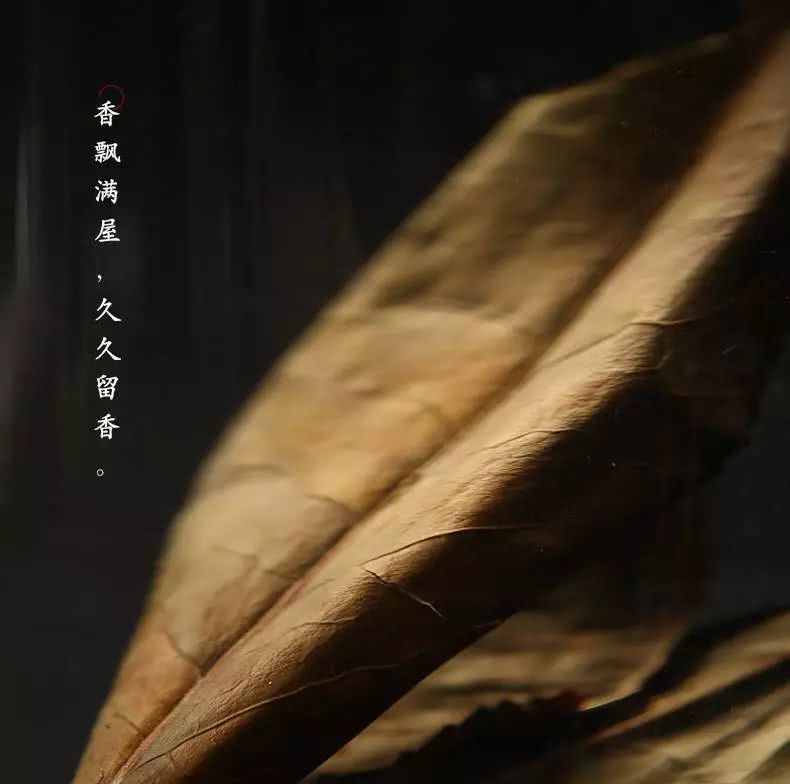
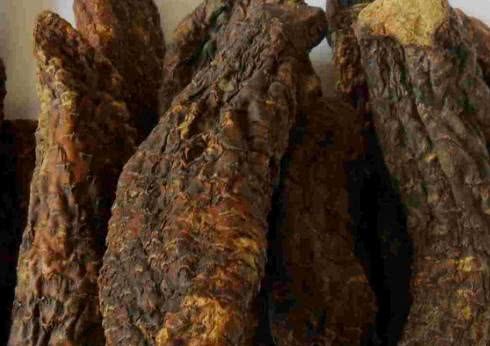
In traditional Chinese medicine, the leaves of mugwort are used as medicine; it is warm in nature and pungent and bitter in taste, and is generally believed to have effects such as warming the meridians and dispelling cold, and removing dampness and relieving itching. In folk practice, dried mugwort leaves are often boiled in water for soaking the feet or bathing, and some people make the leaves into moxa floss or moxa sticks for moxibustion. Hanging mugwort at the door during the Dragon Boat Festival is also a long-standing custom.
Mugwort is also a traditional edible plant. In many areas of the south, tender mugwort leaves are picked in spring, blanched, and pounded into glutinous rice flour to make snacks such as qingtuan and aici, and there are also ways of cooking eggs or making porridge with mugwort leaves, giving a unique fresh fragrance to the taste.
There are also some points to note when using mugwort. When boiling it in water for external use, the concentration should not be too high, and people with sensitive skin can try it on a small area first; pregnant women and people with special constitutions are advised to consult a doctor before use; for consumption, a moderate amount of tender leaves is appropriate, and it should not be eaten in large amounts over a long period. Overall, mugwort has a wide range of uses and is a common plant that serves as both medicine and food.
Related Reading