For cultivation methods, you need to master the key aspects of light, watering, fertilizing and repotting.
Cultivation methods refer to a series of routine growing and management measures taken around a plant's growth needs, usually including light, temperature, water, fertilizer, growing medium and repotting and pruning. For home flower growing, mastering the basic cultivation methods often determines a plant's growth and flowering more than frequent fertilizing does.
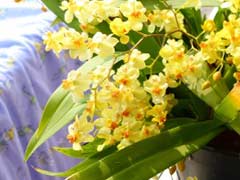
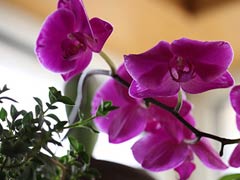
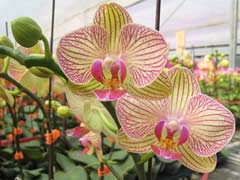
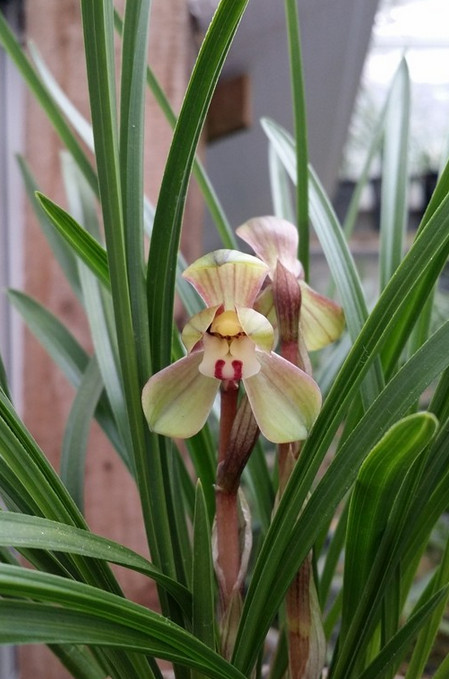
Light and temperature are the foundation for the growth of most ornamental plants. Most flowering plants like bright, indirect light; in summer, when temperatures are high, they need appropriate shading, while in winter the environment should be kept warm and protected from direct cold drafts. Epiphytic orchids such as Phalaenopsis, Oncidium and Dendrobium officinale fear both intense direct sunlight and long periods of darkness, and are easier to grow well when placed in a spot with good ventilation and soft light.
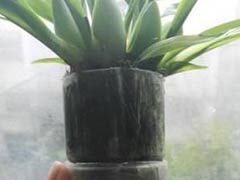
Watering and fertilizing follow the principles of letting the soil dry before watering again and applying dilute fertilizer frequently. Before watering, you can first check how dry or moist the surface of the potting soil or medium is, and when it is on the dry side, water thoroughly in one go to avoid waterlogging that causes root rot; during the peak growing season, a dilute liquid fertilizer can be applied, with concentrated fertilizer reduced before and after flowering, and fertilizer stopped and water controlled during the dormant period. Using loose, breathable media such as bark and sphagnum moss, and repotting regularly to refresh them, can keep the root system healthy and vigorous.
Common cultivation problems are mostly related to care details. For example, yellowing leaf tips may indicate that the air is too dry; soft leaves are mostly seen with overwatering or damaged roots; and a long period without flowering is often related to insufficient light or a lack of day-night temperature difference. When problems occur, you should first check the light, water and root conditions, then adjust the management approach accordingly, rather than blindly adding fertilizer or repotting frequently.
Related Reading