A Detailed Guide to Flower Cultivation Methods: Mastering the Key Points of Light, Watering, and Fertilizing
Flower cultivation methods refer to a set of everyday practices for managing light, watering, soil, fertilizing, and temperature according to a flower's growth habits. Growing flowers at home does not require complicated equipment; the key is to understand the native environment of the flower and then recreate conditions as close as possible on a balcony or indoors, so the plant can grow steadily and bloom on schedule.
Light and watering are the two most basic aspects of care. Most flowering plants prefer bright, indirect light, and shading them appropriately at midday in summer can prevent the leaves from being scorched. As for watering, the principle is to water when dry and let the soil dry out between waterings: wait until the surface of the potting soil is dry, then water thoroughly in one go. Long-term waterlogging easily causes root rot.
Soil and fertilizing are equally important. Potted flowers generally use a loose, breathable, well-draining medium; heavy clay garden soil can be improved by mixing in leaf mold or perlite. Fertilizer should be applied lightly and frequently. During the peak growing season, nitrogen fertilizer is mainly used to promote the growth of stems and leaves, while before buds form and flowers open, switching to phosphorus and potassium fertilizer helps flower bud differentiation.
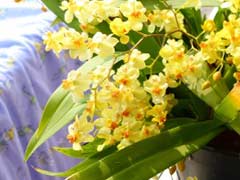
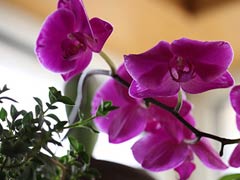
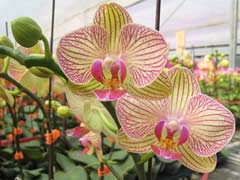
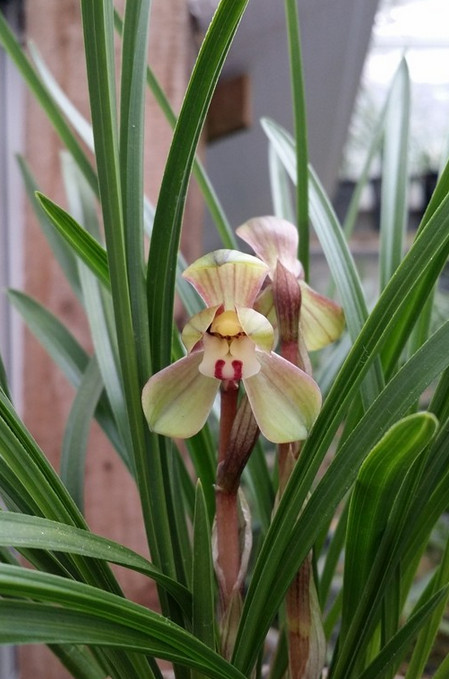
Different types of flowers vary considerably in what care they need most. Take orchids for example: Phalaenopsis, Oncidium, and Dendrobium officinale mostly grow epiphytically on tree trunks or rocks. In home cultivation they are usually grown in bark, sphagnum moss, and similar media, and they need relatively high air humidity and good ventilation; watering too frequently is more likely to cause root rot.
Looking at common problems, yellow leaves, bud drop, and failure to bloom are mostly related to insufficient light, improper watering, or a lack of fertilizer. When something looks wrong, first check the environment and then adjust your care; this is more effective than fertilizing blindly. Once you master these basic principles and then make flexible adjustments according to the habits of specific varieties, growing flowers at home becomes much easier.
Related Reading