Orchid Growing Methods and Key Daily Care Points
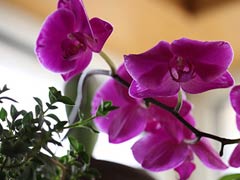
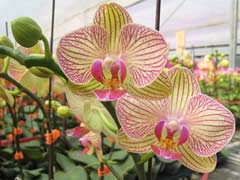
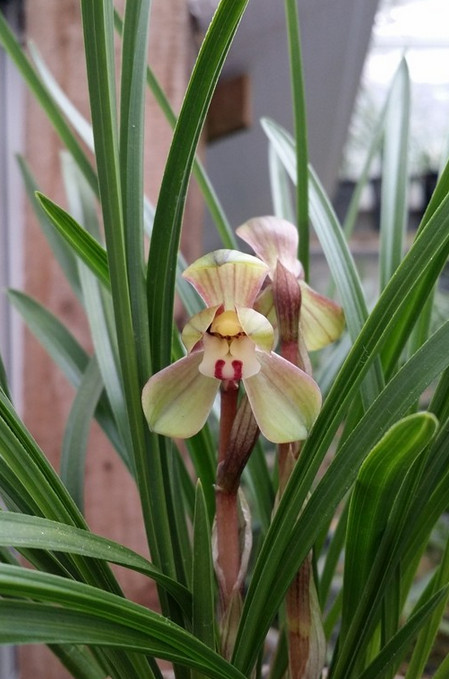
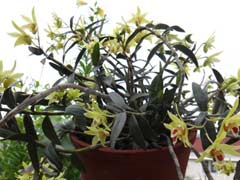
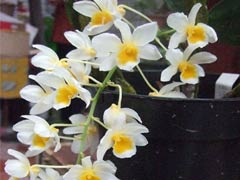
Orchids are traditional precious ornamental flowers in China. Commonly cultivated types include Cymbidium goeringii (spring orchid), Cymbidium faberi (Faber's cymbidium), Cymbidium ensifolium (sword-leaf cymbidium), and Cymbidium sinense (Chinese cymbidium), as well as tropical orchids such as Phalaenopsis (moth orchid) and Oncidium (dancing-lady orchid). Different varieties vary greatly in plant form and flower color, but overall they all prefer a warm, humid, well-ventilated, semi-shaded environment. When growing orchids at home, as long as you master the key aspects of potting medium, light, water, and fertilizer, the plants will grow vigorously and bloom normally.
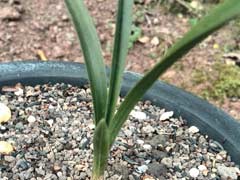
Orchid roots are fleshy roots that fear both waterlogging and compacted soil, so when cultivating them, choose a loose, breathable potting medium, such as a mix of bark, sphagnum moss, volcanic stone, or leaf mold. Before potting, trim off hollow and rotten roots, place a drainage layer at the bottom of the pot, and set the planting depth so that the pseudobulb is slightly exposed above the surface of the medium. Generally, repot once every one to two years, and you can divide and renew the plant at the same time as repotting.
Orchids like diffused light and dislike direct strong sunlight. In spring, autumn, and winter, they can receive more soft sunlight, while in summer they need appropriate shading and enhanced ventilation. Most varieties are suitable for growing in a warm environment of about 15 to 28 degrees Celsius. In winter, pay attention to keeping them warm and protecting them from the cold, and avoid direct cold drafts. When caring for them indoors, keep them away from the air outlets of heaters and air conditioners so that the air does not become too dry and affect the plants.
Watering should follow the principle of watering after the medium dries and then soaking thoroughly, watering thoroughly once the surface of the medium has dried, and avoiding long-term water accumulation in the pot, which can cause root rot. During the peak growing season, a dilute liquid fertilizer can be applied, following the practice of frequent applications of weak fertilizer. During flower bud differentiation, appropriately supplementing with phosphorus and potassium fertilizer helps flowering, while fertilization should stop during the dormant period.
Common orchid problems are mostly root rot, yellowing leaves, and failure to bloom, most of which are related to overwatering, insufficient light, or poor ventilation. Diseased leaves should be pruned promptly and fallen leaves cleaned up. Keeping the environment clean and the air circulating can effectively reduce the occurrence of pests and diseases.
Related Reading