Methods
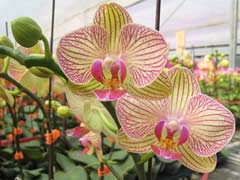
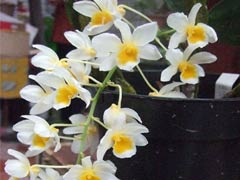
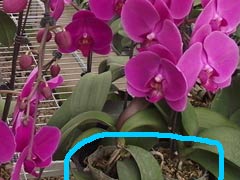
Orchids are the collective term for plants in the family Orchidaceae. The species commonly grown at home include Phalaenopsis, Oncidium, and Dendrobium. Most of these plants grow as epiphytes or semi-epiphytes, and their roots need a well-aerated environment, so their cultivation methods differ noticeably from those of ordinary foliage plants.
As for light, orchids generally prefer bright, indirect light and dislike prolonged direct sunlight. They should be shaded appropriately in summer, while in winter and spring they can receive more soft light. A warm environment is preferable in terms of temperature, and in winter care should be taken to protect them from the cold and keep them warm, avoiding direct cold drafts and large day-night temperature differences.
Watering and growing medium are the key aspects of orchid care. The growing medium commonly uses loose, breathable materials such as sphagnum moss, bark, and volcanic stone. Watering should follow the principle of watering when dry and letting them dry out between waterings, keeping the medium slightly moist but not waterlogged, so as to avoid root rot. During the growing season, a dilute liquid fertilizer can be applied, following the practice of light, frequent feeding, while fertilization should be reduced before and after the flowering period.
Common problems are mostly related to overwatering and poor ventilation, which can easily lead to root rot or the breeding of diseases. If a plant is slow to bloom, it is often related to insufficient light or a lack of accumulated temperature difference. By keeping the environment well ventilated and the humidity suitable, and regularly checking the condition of the roots, orchids will grow vigorously and rebloom successfully.
Related Reading