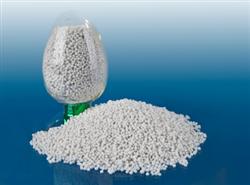
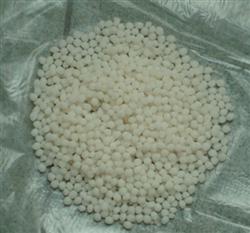
Organic phosphorus fertilizers have a mild and long-lasting effect, and are a commonly used phosphorus source in organic growing
Organic phosphorus fertilizer refers to phosphorus-containing fertilizer made from organic materials such as animal and plant residues as raw materials, through fermentation, decomposition, or simple processing. Common types include bone meal, fish bone meal, guano, and decomposed livestock and poultry manure and oilseed cake fertilizer. It stands in contrast to chemical phosphorus fertilizers such as superphosphate and calcium magnesium phosphate; its phosphorus mostly exists in organic form, and it also carries relatively abundant organic matter.
The main feature of this type of fertilizer is slow nutrient release and a mild, long-lasting effect. Organic phosphorus must be gradually decomposed and mineralized by soil microorganisms before it can be converted into available phosphorus that crops can absorb and use, so it is less likely to cause seedling burn and nutrient loss. Long-term application can also increase soil organic matter, improve soil structure, and build soil fertility, making it relatively suitable for organic growing and green production.
In terms of application, organic phosphorus fertilizer is generally used mainly as a base fertilizer, and it is best applied early and deep, with concentrated application in the root distribution layer giving better results. Before application, it is best to compost and ferment it thoroughly, which can both improve phosphorus availability and kill pathogens and insect eggs that the raw materials may carry. When composted together with farmyard manure and the like, fermentation is faster and the fertilizer effect is more stable.
It should be noted that organic phosphorus fertilizer has a relatively low phosphorus content and takes effect slowly. When crops show obvious signs of phosphorus deficiency, a small amount of water-soluble phosphorus fertilizer can be added in time for a prompt supplement, and it is not advisable to rely entirely on a single fertilizer source. In addition, applying undecomposed organic phosphorus fertilizer directly to the soil can easily heat up and burn roots, and may also attract soil-dwelling pests. Be sure to decompose it thoroughly before use, and when storing it, also pay attention to moisture and rain protection to reduce nutrient loss.
Related reading