The Definition, Role, and Application Precautions of Organic Fertilizer
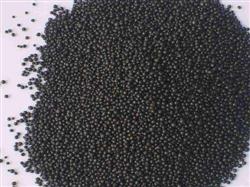
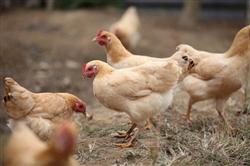
Organic fertilizer is a fertilizer made mainly from livestock and poultry manure, straw, oilseed cakes, green manure, and other plant and animal residues or excreta as the primary raw materials, through decomposition and fermentation or processing. It contains a full range of nutrient types, is rich in organic matter and various secondary and trace elements, and has a stable and long-lasting fertilizer effect, making it a commonly used basic fertilizer in agricultural production.
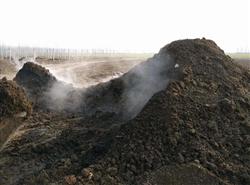
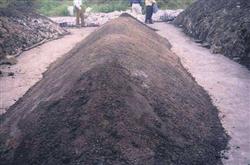
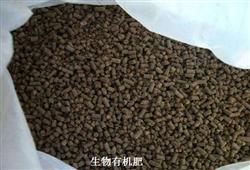
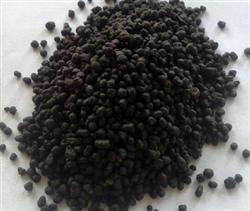
Common organic fertilizers include livestock and poultry manure, compost, cake fertilizer, green manure, straw returned to the field, and commercial organic fertilizer, among other types. Among these, bio-organic fertilizer is a product made by adding functional microbial inoculants to organic materials, which both supplies nutrients and improves the soil microbial environment. Although livestock and poultry manure has a wide range of sources, if it is not thoroughly decomposed, it can easily carry pathogens and insect eggs, so it must be fully fermented before application.
The core value of applying organic fertilizer lies in building soil fertility. After organic matter enters the soil, it can promote the formation of granular structure, improve the soil's water- and fertilizer-holding capacity, and at the same time provide a nutrient source for soil microorganisms, improving the environment for root growth. The reasonable combined use of organic fertilizer and chemical fertilizer helps alleviate problems such as soil compaction and nutrient imbalance.
Several aspects need attention during application. Undecomposed organic fertilizer should not be applied directly to the field, otherwise it can easily cause root burn and seedling burn or breed pests and diseases. Organic fertilizer releases nutrients relatively slowly, so when used as a topdressing, it should be combined with an appropriate amount of quick-acting fertilizer according to crop growth. In addition, more organic fertilizer is not necessarily better; excessive application to vegetables and other crops may also cause soil nutrient imbalance, so the amount should be reasonably controlled according to soil fertility and crop needs.
Related Reading