What are the drawbacks of livestock and poultry manure organic fertilizer? Learn about them before use
What are the common livestock and poultry manures? What are the drawbacks of applying livestock and poultry manure organic fertilizer? What are the disadvantages of livestock and poultry manure organic fertilizer? Below, Zhongdiwang gives a brief introduction for netizens' reference. Generally, the common livestock and poultry manures are chicken, duck, and goose manure and white pigeon manure, or organic fertilizer made mainly from chicken, duck, and goose manure and white pigeon manure...
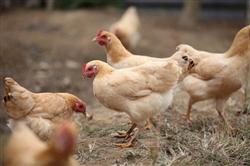 What are the common livestock and poultry manures? What are the drawbacks of applying livestock and poultry manure organic fertilizer? What are the disadvantages of livestock and poultry manure organic fertilizer? Below, Zhongdiwang gives a brief introduction for netizens' reference.
Generally, the common livestock and poultry manures are chicken, duck, and goose manure and white pigeon manure, or organic fertilizer made mainly from chicken, duck, and goose manure and white pigeon manure. Livestock and poultry manure causes adverse effects on crops and soil to varying degrees. Below, Zhongdiwang introduces the disadvantages of livestock and poultry manure or organic fertilizer made mainly from livestock and poultry manure.
1. Livestock and poultry manure or organic fertilizer made mainly from livestock and poultry manure has a relatively high salt content and easily salinizes the soil, raises the soil salt concentration, raises the critical point of fertilizer efficiency of nutrient elements for crops, and increases the amount of fertilizer applied. In severe cases, it can cause seeds not to germinate, burn seedlings, and burn roots;
2. The nitrogen in livestock and poultry manure is mainly in the form of uric acid nitrogen. Urate cannot be directly absorbed and utilized by crops. When it decomposes in the soil, it consumes a large amount of oxygen and releases carbon dioxide gas, so it easily damages crop roots;
3. In livestock and poultry manure, Bacillus spp., Escherichia coli, fungi of more than ten genera, and some parasites can be detected. It carries relatively many pathogens and insect eggs and easily causes diseases and insect pests;
4. Some livestock and poultry manures have the problem of excessive trace element content. In livestock and poultry feed, due to the large addition of trace elements such as copper, iron, zinc, manganese, cobalt, selenium, and iodine, many trace elements not absorbed by livestock and poultry accumulate in livestock and poultry manure. According to surveys by relevant units, in the feed used by some large and medium-sized livestock and poultry farms, heavy metal pollution is relatively serious. The contents of copper, zinc, chromium, lead, and cadmium generally exceed the national feed hygiene standards or pollution-free production feed standards, and especially toxic elements such as arsenic and mercury also exceed the standards in individual cases;
5. Most livestock and poultry manure or organic fertilizer made mainly from livestock and poultry manure is acidic and easily breeds pathogens, so it must be neutralized with lime, which causes soil compaction;
6. Livestock and poultry manure or organic fertilizer made mainly from livestock and poultry manure has relatively hot fertilizer properties. When used in high-temperature weather, it easily burns seedlings and roots;
7. Livestock and poultry manure or organic fertilizer made mainly from livestock and poultry manure needs to be composted and decomposed before use, requires much labor, and has a long cycle;
8. Because livestock and poultry manure or organic fertilizer made mainly from livestock and poultry manure has relatively many impurities, purity deviation is extremely large, and content is extremely unstable, it cannot guarantee the nutrient content and effect of application.
9. Pathogens such as Bacillus spp., Escherichia coli, fungi of more than ten genera, and some parasites in livestock and poultry manure or organic fertilizer made mainly from livestock and poultry manure enter the soil along with plant residues in the form of organic fertilizer or enter the soil through rainwater washing, infect crops, and cause biological pollution of soil and impacts on human and livestock health;
10. The problem of excessive trace element content in livestock and poultry manure, especially toxic elements such as copper, arsenic, and mercury also exceed the standards in individual cases, causes heavy metal pollution of soil, leads to excessive heavy metal content in vegetables and fruits, and poses a threat to green food safety.
11. Harmful gases such as hydrogen sulfide in livestock and poultry manure volatilize and produce foul odors, causing air environmental pollution.
12. The salt in livestock and poultry manure salinizes the soil, causing degradation of soil tillage performance.
For this reason, special attention must be paid to the application of livestock and poultry manure or organic fertilizer made mainly from livestock and poultry manure. Whether applying livestock and poultry manure or organic fertilizer made mainly from livestock and poultry manure, improper or excessive application will have adverse effects on crops, soil, and the environment. Understanding of it should be deepened, and preventive and remedial measures should be taken early.
The above is Zhongdiwang's introduction to the disadvantages of livestock and poultry manure. If you have better additions, please leave a comment below to tell us.