The Role and Characteristics of Organic Compound Fertilizers and Scientific Application Methods
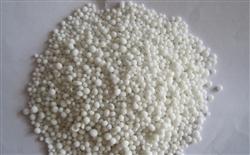
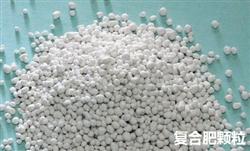
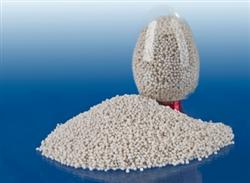
Organic compound fertilizer, also known as organic-inorganic mixed fertilizer, is a fertilizer made by processing fermented organic materials such as humic acid, livestock and poultry manure, and straw together with inorganic nutrients such as nitrogen, phosphorus, and potassium in a certain proportion. It retains the advantages of organic fertilizer in building up soil fertility while also having the characteristics of chemical fertilizer, such as high nutrient content and quick results, and has been widely used in the cultivation of various crops in recent years.
Compared with ordinary compound fertilizer, organic compound fertilizer contains a certain amount of organic matter, which can promote the formation of granular structure after being applied to the soil, enhance water and fertilizer retention capacity, and provide a nutrient source for soil microorganisms. Its nutrients combine quick-release and slow-release effects, and the fertilizer effect is steady and lasting. Under normal circumstances, it is not prone to burning seedlings or causing nutrient deficiency in the later stage.
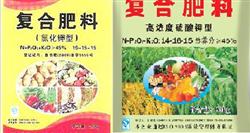
There are many types of organic compound fertilizers on the market. By organic source, common types include humic acid type, amino acid type, and livestock and poultry manure fermentation type, among which the humic acid type performs relatively well in soil improvement. By potassium source, they can also be divided into potassium sulfate type and potassium chloride type. Chlorine-sensitive crops such as tobacco and potato should preferably choose the potassium sulfate type, while general field crops can be selected flexibly according to soil conditions and cost.
For application, the main method is deep placement as a base fertilizer with soil covering, and nutrients can be supplemented in the middle and late growth stages through methods such as water-flush fertilization. The amount used should be determined according to soil fertility, crop type, and target yield, and should not be blindly increased. When purchasing, pay attention to whether the nutrient labeling and organic matter content meet the standards, so that organic compound fertilizer can play a role in both improving soil and supplying nutrients.
Related Reading