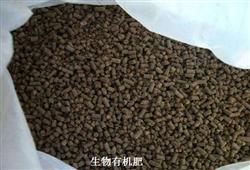
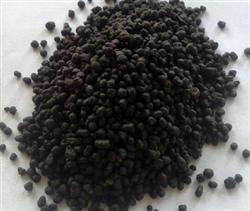
Bio-organic fertilizer is an organic fertilizer with added functional microbial inoculants.
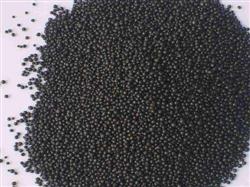
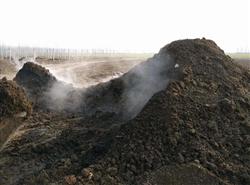
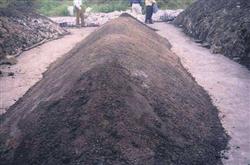
Bio-organic fertilizer refers to a type of fertilizer made by adding microbial inoculants with specific functions to fully decomposed organic materials and then processing them. It not only retains the basic role of organic fertilizer in providing nutrients and improving soil, but also contains active functional bacteria that, after being applied to the soil, can colonize and multiply around crop roots, help decompose and transform nutrients, and inhibit some harmful microorganisms.
In terms of the types of functional bacteria, common products include inoculants mainly for phosphorus-solubilizing and potassium-solubilizing, inoculants mainly for nitrogen fixation and growth promotion, and inoculants that can secrete antibacterial substances and have a certain inhibitory effect on soil-borne diseases. The bacterial composition and effective viable count of different products vary greatly. When purchasing, you can check the bacterial strain names, effective viable count, and execution standards marked on the packaging, and try to choose products from reputable manufacturers.
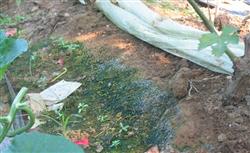
In terms of use, bio-organic fertilizer is mostly applied as a base fertilizer, and can also be used for furrow application, hole application, or topdressing. It is suitable for many planting scenarios such as vegetables, fruit trees, and grain crops. Long-term rational application helps increase soil organic matter content, improve aggregate structure, and alleviate soil compaction and fertility decline caused by long-term single application of chemical fertilizers.
When applying, note that it should not be applied at the same time as fungicides or directly mixed and stored with them, so as not to kill the functional bacteria; after application, soil should be covered and water should be added in a timely manner to avoid prolonged exposure of the fertilizer to the sun. After opening the bag, it should be used up as soon as possible, and any unused portion should be sealed and stored in a cool, dry place. In addition, the total nutrient content of bio-organic fertilizer is limited and cannot completely replace chemical fertilizers. It should be used in reasonable combination with chemical fertilizers according to soil conditions and crop needs to achieve better results.
Related Reading