Characteristics of Double-Burned Phosphate Fertilizer and Introduction to Scientific Application Methods
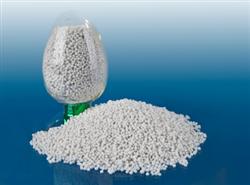
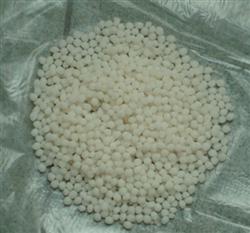
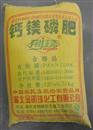
Double-burned phosphate fertilizer is a thermal phosphate fertilizer made from low-grade phosphate rock through a two-stage calcination process. During production, the phosphate rock is first calcined at high temperature to remove organic matter and carbonates, then mixed with soda ash, Glauber's salt and other ingredients for a second calcination, converting the phosphorus in the ore, which is originally difficult for crops to absorb, into citrate-soluble phosphorus; after grinding, the finished product is obtained.
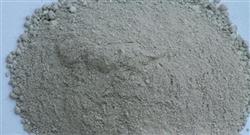
In terms of properties, double-burned phosphate fertilizer is mostly a grayish-white to grayish-brown powder, alkaline, insoluble in water but soluble in weak acids such as citric acid, and belongs to citrate-soluble phosphate fertilizers. Its fertilizer effect is released slowly and lasts a long time, and after a single application it often still has a certain residual effect on subsequent crops. Due to differences in raw materials and processes, the finished product usually also retains secondary components such as calcium and silicon contained in the phosphate rock, which can supplement soil nutrients to a certain extent.
In terms of application, double-burned phosphate fertilizer is suitable for use on acidic, slightly acidic or phosphorus-deficient soils, generally as a base fertilizer. When applying, it can be spread evenly before plowing and then turned into the soil layer so that it fully contacts the soil, and phosphorus is gradually released through decomposition with the help of soil acidity and the weak acids secreted by crop roots. In acidic and phosphorus-deficient areas such as red soil and yellow soil in southern China, the effect is usually relatively obvious.
It should be noted that double-burned phosphate fertilizer is alkaline and should be avoided from being directly mixed with fast-acting nitrogen fertilizers such as ammonium nitrogen fertilizers, to prevent nitrogen volatilization losses; applying it after composting with organic fertilizer helps improve the fertilizer effect. Because its phosphorus is citrate-soluble, for short-growing-season crops it should be applied early and deeply; for crops with an urgent phosphorus need at the seedling stage, it can also be applied separately from water-soluble phosphate fertilizers and used in combination to meet phosphorus needs at different stages.
Related Reading