A Detailed Guide to the Role and Application Methods of Agricultural Dicalcium Phosphate
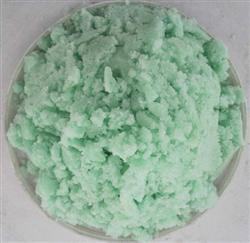
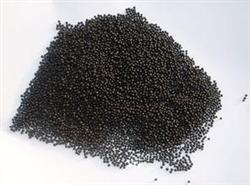
Agricultural dicalcium phosphate is a phosphorus fertilizer whose main component is dicalcium phosphate. It usually appears as a white or grayish-white powder, is stable in nature and not prone to absorbing moisture, making storage and transport relatively convenient. In fertilizer classification, it belongs to citrate-soluble phosphate fertilizers; its nutrients are released more slowly than those of water-soluble phosphate fertilizers, and it supplies phosphorus over a longer period, while also adding a certain amount of calcium to the soil.
This characteristic makes it relatively suitable for use on acidic soils. Acidic conditions help its phosphorus nutrients gradually dissolve and release, and the rate at which they are fixed by the soil is relatively slow, so the fertilizer effect is steady. On calcareous or somewhat alkaline soils, phosphorus is easily converted into forms that are difficult to absorb, and the application effect will be reduced, so it is best to understand the soil conditions of your own plot before making a purchase.
In terms of application methods, agricultural dicalcium phosphate is mostly used as a base fertilizer. It can be broadcast and then plowed into the soil during land preparation, or applied by concentrated methods such as furrow application and hole application, placing the fertilizer near the roots so that crops can absorb and use it easily. When used as a seed fertilizer, it should be kept at an appropriate distance from the seeds to prevent excessively high local nutrient concentrations from affecting germination. Combined use with decomposed organic fertilizer usually achieves better results.
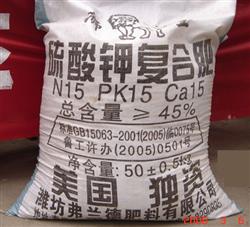
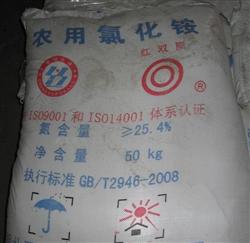
One more point to note is that agricultural dicalcium phosphate has a different use from feed-grade products and the two cannot be confused. When purchasing, you should make sure it is a fertilizer product and check the nutrient labeling on the packaging. As a slow-release fertilizer, it is normal for results not to appear quickly after application. In production, it can be applied in a balanced way together with nitrogen fertilizer and potassium fertilizer, and arranged flexibly according to the different growth stages of the crop, so that the fertilizer effect can be brought into fuller play.
Related Reading