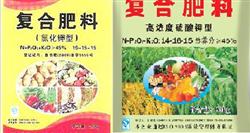
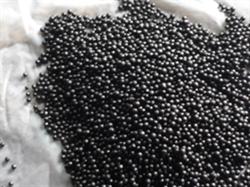
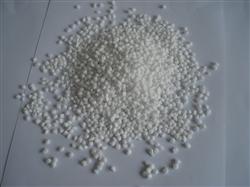
Urea-based compound fertilizer is a compound fertilizer that uses urea as its nitrogen source.
Urea-based compound fertilizer refers to a compound fertilizer made with urea as the main source of nitrogen, combined with phosphorus, potassium and other nutrient raw materials, and processed through granulation. It is a common type of compound fertilizer, often distinguished alongside nitro-based compound fertilizer, sulfur-based compound fertilizer, and chlorine-based compound fertilizer. Its nitrogen nutrient is mainly amide nitrogen, and the nitrogen element in the nutrient label basically comes from urea.
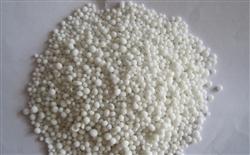
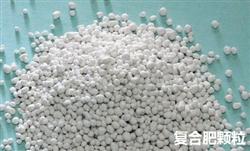
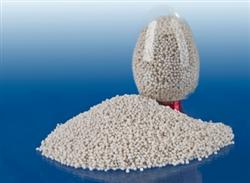
Urea-based compound fertilizer generally has a relatively high nitrogen content, good water solubility, and uniform granules, making it convenient for mechanical application. Urea nitrogen needs to undergo transformation after being applied to the soil before it can be absorbed in large amounts by crop roots, so its fertilizer effect is relatively gentle and long-lasting, making it more suitable as a base fertilizer and also usable for topdressing. The common high-tower urea-based compound fertilizer is one type produced by melt granulation, with smooth granules and relatively uniform nutrient distribution.
Urea-based compound fertilizer is suitable for a wide range of crops, including field grain crops, vegetables, fruit trees and many other crops, and is especially suitable as a base fertilizer or for topdressing in the middle and late stages of crop growth. When applying, attention should be paid to deep application and covering with soil to avoid nitrogen volatilization loss after surface broadcasting; under high temperature and drought conditions, even more attention should be paid to covering with soil and combining with watering.
It should be noted that urea-based compound fertilizer should be used with caution as a seed fertilizer or when applied near seeds; the ammonia produced during urea transformation and the biuret possibly contained in the fertilizer can easily affect seed germination and seedling growth when the concentration is too high. In addition, when used as topdressing, it should be applied appropriately earlier than nitrate nitrogen fertilizers to allow time for nutrient transformation, so that the fertilizer effect can be better brought into play.
Related Reading