Potassium sulfate compound fertilizer has a low chlorine content, making it suitable for chlorine-sensitive crops and cash crops.
Potassium sulfate compound fertilizer is a compound fertilizer produced with potassium sulfate as the potassium source, and usually contains two or more of the three nutrients nitrogen, phosphorus, and potassium at the same time. Compared with potassium chloride-based compound fertilizer, it has a lower chloride ion content, and its potassium exists in sulfate form, so it is friendlier to chlorine-sensitive crops. This type of fertilizer has a stable nutrient ratio and good water solubility, making it convenient to use as both a base fertilizer and a topdressing.
In terms of characteristics, potassium sulfate compound fertilizer not only supplies nitrogen, phosphorus, and potassium nutrients but also contains sulfur. Sulfur is one of the secondary elements required for crop growth and is especially valuable for sulfur-loving crops such as brassicas and alliums. Products on the market come in various nutrient ratios, including balanced general-purpose types with nitrogen, phosphorus, and potassium, as well as high-potassium types suitable for use during the fruiting and swelling stages. When planting, you can choose according to soil fertility and crop growth.
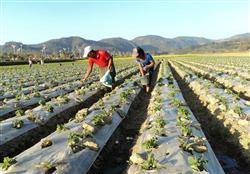
In terms of scope of application, for chlorine-sensitive crops or crops with higher quality requirements, such as tobacco, fruit trees, vegetables, root and tuber crops, and cucurbits, potassium sulfate compound fertilizer is usually preferred. When used as a base fertilizer, it can be applied deeply in combination with land preparation; when used as a topdressing, it can be applied in furrows or holes or washed on with irrigation water. Be careful to keep a certain distance from seeds and young roots to avoid burning seeds and seedlings. The amount used should be flexibly controlled according to soil conditions and growth stage, and avoid applying too much at one time.
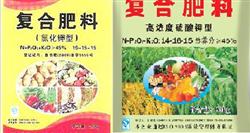
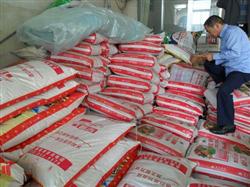
In daily use, there are also a few points to keep in mind. Although potassium sulfate compound fertilizer is low in chlorine, it is not completely chlorine-free, so when purchasing, check the nutrient content and chloride ion indicators marked on the packaging. It does not itself contain organic matter, and long-term use alone is not conducive to building soil fertility, so it is best to use it together with organic fertilizer or rotate it with other fertilizers. During storage, keep it in a cool, dry place, protect it from moisture and caking, and try to use it up promptly after opening the bag.
Related Reading