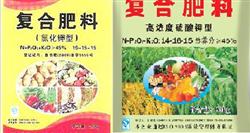
Chloride-based ternary compound fertilizer uses potassium chloride as its potassium source and is suitable for chloride-tolerant crops.
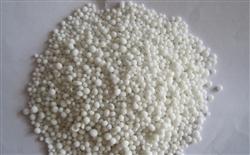
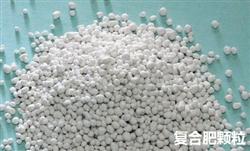
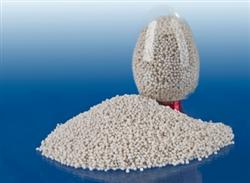
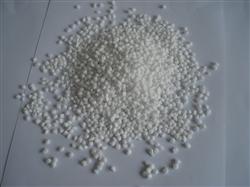
Chloride-based ternary compound fertilizer is a compound fertilizer that uses potassium chloride as its main potassium source and contains the three nutrients nitrogen, phosphorus and potassium; it gets its name because the potassium raw material contains chlorine. It is usually made by granulating urea, monoammonium phosphate, potassium chloride and other raw materials, has a relatively high declared nutrient content, and is one of the common basic fertilizer types in agricultural production.
Compared with sulfur-based compound fertilizer, chloride-based ternary compound fertilizer has a relatively lower raw material cost, provides more ample nutrients at the same price, and also has good water solubility. Chlorine itself is a trace element required for crop growth; an appropriate amount of chlorine helps photosynthesis and internal osmotic regulation, and it also has a certain inhibitory effect on some soil-borne diseases.
In terms of application, this type of fertilizer is more suitable for field crops with strong chloride tolerance, such as rice, wheat, corn and cotton. Chloride-sensitive crops such as tobacco, potato, sweet potato, grape, watermelon and tea trees should avoid using it, so as not to affect yield and quality. Saline-alkali land and greenhouse soil prone to salt accumulation should also be used with caution, to prevent long-term accumulation of chloride ions from causing salt damage.
Before use, first check the chlorine content grade marked on the package, then choose the fertilizer according to crop type and soil conditions. Generally apply it as a base fertilizer by deep placement, keeping an appropriate distance from seeds or seedlings; the effect is better when combined with organic fertilizer. If you are unsure whether a crop is chloride-tolerant, you can refer to the fertilizer instructions or consult local agricultural technicians before deciding.
Related reading